


When the electricity goes out in Gauteng, life doesn’t stop—it stalls. Traffic lights fail, businesses grind to a halt, communication lines go down, and food begins to spoil. Whether due to load shedding, infrastructure failure, cable theft, or unplanned faults, power outages have become a common challenge across Johannesburg, Tshwane, Ekurhuleni, and surrounding areas.
This guide breaks down exactly what to do if your area has no electricity, including how to stay safe, protect your appliances, report faults, and maintain some level of normalcy.
First Things First: Confirm the Outage
Before reacting, establish whether the issue is limited to your home or a wider area.
Step-by-Step Check:
- Check your circuit breakers or prepaid meter, and reset if tripped.
- Look outside, are streetlights and neighbours affected?
- Visit your municipality’s platforms for outage notifications:
- Eskom-supplied areas: Use the Eskom load shedding portal or app.
TIP: Knowing the source helps estimate restoration time and determine the correct authority to contact.
ALSO READ: How to Pay Your Municipal Bill Online via e-Tshwane: A 2026 Guide
Report the Outage Immediately
Logging a fault is essential for response prioritisation.
How to Report:
- City Power: Use the City Power Fault Logging Portal or call 0860 562 874.
- Eskom: Use CS Online or WhatsApp 0860 037 566.
Provide:
- Suburb and street name
- Meter number (if known)
- Time of outage and if it was gradual or sudden
- Any visible hazards (e.g. sparks, damaged lines)
Unplug Electronics to Prevent Damage
When power returns, surges can fry sensitive equipment.
Do Immediately:
- Unplug: TVs, routers, microwaves, computers.
- Leave one light on so you know when power returns.
- Use surge protectors for essential appliances.
Safety First: Prevent Fire and Injury
Outages can lead to accidents if basic precautions aren’t followed.
Safety Tips:
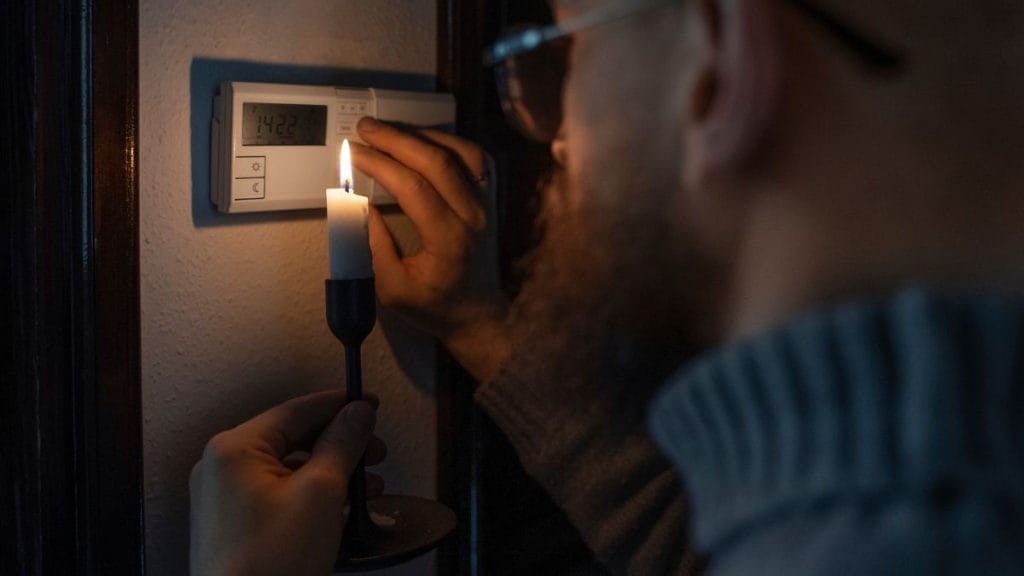
- Avoid candles – use battery-operated lights or solar lanterns.
- If using gas:
- Ensure ventilation.
- Never use gas stoves or braais indoors.
- Traffic safety: Treat out-of-order traffic lights as four-way stops.
Preserve Food and Water
Long outages risk food spoilage and water shortages.
Food Safety:
- Keep fridge and freezer closed:
- Fridge: stays cold ~4 hours
- Freezer (full): up to 48 hours
- Freeze water bottles to maintain cold temps and for later drinking.
- Prepare non-perishable meals.
Water Storage:
- Households with electric water pumps should store water in advance.
- Keep at least 2–5 litres per person/day for drinking and hygiene.
Stay Connected and Informed
Communication is critical during outages.
Smart Habits:
- Keep phones, laptops, and power banks charged.
- Limit mobile data use—networks may slow due to high traffic.
- Know where public places with backup power are (e.g. libraries, malls).
TIP: Install the EskomSePush app for real-time load shedding alerts.
Adjust Your Routine – Not Your Sanity
Staying mentally prepared helps you stay productive.
- Schedule energy-intensive tasks during daylight.
- Use natural light where possible.
- Engage in offline activities (board games, reading).
- Businesses should inform customers early about delays or alternative plans.
Know When to Escalate
Some outages require emergency responses.
Escalate If:
- A power line is down or sparking
- There is an electrical fire
- The outage lasts unusually long (over 24 hours) without updates
Report these to emergency services and your electricity provider.
Prepare Before the Next Outage
Preparation is the best defence against disruption.
Build a Basic Outage Kit:
- Battery torches and spare batteries
- Charged power banks
- Bottled water (2L/person/day)
- Non-perishable food
- First aid kit
- Emergency contact list
- Printed instructions for elderly or children
Some households invest in inverters or small solar units, especially for work-from-home or medical needs.
FAQs: What to Do If Your Area Has No Electricity
How do I know if it’s load shedding or a fault?
Check the EskomSePush app or your city’s schedule. If your area isn’t scheduled and power is out, it may be a fault.
What’s the best alternative light source?
Battery-powered LED lights, headlamps, or solar lanterns. Avoid candles due to fire risk.
Is it safe to use a generator?
Yes—if used outdoors in a well-ventilated area. Never run a generator indoors or in a garage.
Can I claim for damages from power surges?
Some municipalities or insurance policies may allow claims, but documentation and proof are essential.