




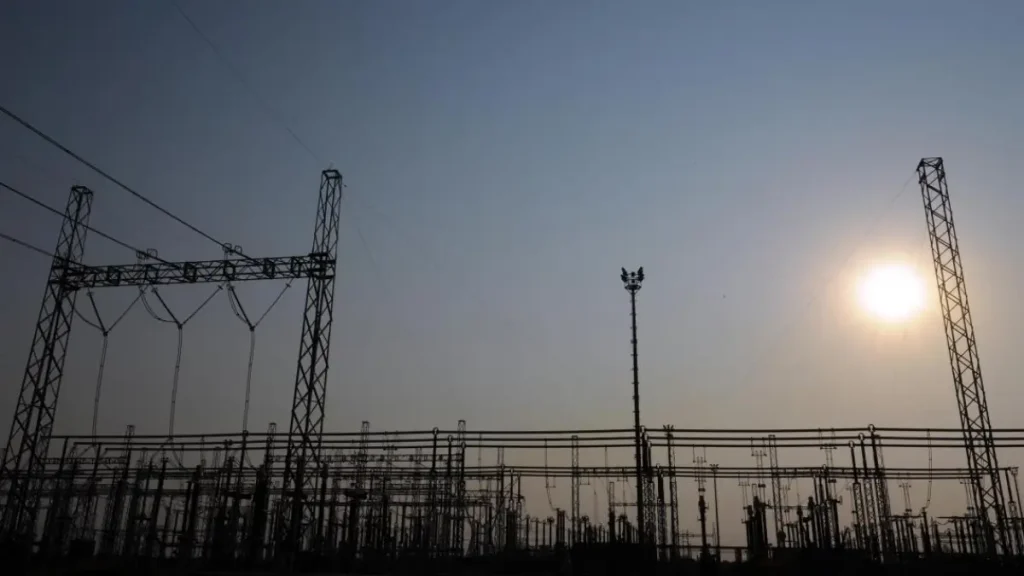
Eskom’s load reduction programme will continue across Gauteng for the entire month of March 2026, with scheduled electricity interruptions affecting multiple high-density and rural areas.
Power supply will be interrupted daily during peak demand periods:
- 05h00 to 09h00
- 17h00 to 22h00
The rotational system applies to designated blocks across Soweto, Orange Farm, Vosloorus, Katlehong, Sebokeng, Mabopane, Ga-Rankuwa, Tsakane, Protea Glen, Diepkloof, Sharpeville, Evaton and surrounding rural communities.
Residents in affected areas should expect outages lasting approximately four hours per session.
ALSO READ: SASSA Grant Increases Confirmed for April 2026
What Is Load Reduction and Why Is It Being Implemented?
Load reduction differs from national load shedding.
Load shedding is implemented countrywide to stabilise electricity supply when generation capacity is constrained. Load reduction, however, is a targeted measure introduced in specific areas where electricity infrastructure is under severe pressure.
According to Eskom, certain substations and transformers in high-consumption areas are at risk of failure due to overloading, illegal connections and network strain. Load reduction is used to prevent equipment damage, which could otherwise result in prolonged outages lasting several days or weeks.
The interruptions are scheduled during peak usage hours when electricity demand is highest.
Gauteng Load Reduction Timetable: 1–31 March 2026
Below is the full block rotation schedule for March 2026.
| Date | 05h00 to 09h00 | 17h00 to 22h00 |
|---|---|---|
| Sunday, 1 March | Block J | Block F, Block I |
| Monday, 2 March | Block C | Block D |
| Tuesday, 3 March | Block G | Block B, Block J |
| Wednesday, 4 March | Block H | Block I |
| Thursday, 5 March | Block F | Block J, Block G |
| Friday, 6 March | Block B | Block A |
| Saturday, 7 March | Block H | Block J, Block E |
| Sunday, 8 March | Block D | Block C |
| Monday, 9 March | Block B | Block J, Block A |
| Tuesday, 10 March | Block I | Block H |
| Wednesday, 11 March | Block J | Block G, Block F |
| Thursday, 12 March | Block A | Block B |
| Friday, 13 March | Block C | Block D |
| Saturday, 14 March | Block F | Block I, Block J |
| Sunday, 15 March | Block H | Block G |
| Monday, 16 March | Block J | Block I, Block E |
| Tuesday, 17 March | Block D | Block C |
| Wednesday, 18 March | Block A | Block B, Block J |
| Thursday, 19 March | Block C | Block D |
| Friday, 20 March | Block G | Block H |
| Saturday, 21 March | Block E | Block F |
| Sunday, 22 March | Block A | Block B, Block J |
| Monday, 23 March | Block C | Block D |
| Tuesday, 24 March | Block E | Block J, Block F |
| Wednesday, 25 March | Block G | Block H |
| Thursday, 26 March | Block I | Block J, Block E |
| Friday, 27 March | Block D | Block C |
| Saturday, 28 March | Block J | Block I, Block G |
| Sunday, 29 March | Block B | Block A |
| Monday, 30 March | Block E | Block F, Block J |
| Tuesday, 31 March | Block A | Block F |
Which Areas Fall Under These Blocks?
The rotating blocks cover extensive areas across Gauteng. Affected communities include, but are not limited to:
- Orange Farm and Stretford
- Sebokeng and Evaton
- Sharpeville and Vereeniging
- Vosloorus and Katlehong
- Tsakane and Langaville
- Mabopane and Winterveldt
- Ga-Rankuwa and Hebron
- Protea Glen and Meadowlands
- Diepkloof and Orlando East
- Cullinan and surrounding rural zones
Each block contains multiple extensions, wards and informal settlements. Residents are advised to confirm their exact block allocation through their local municipality or Eskom communication platforms.
Impact on Households and Businesses
Morning outages between 05h00 and 09h00 affect:
- School preparation and transport routines
- Informal traders and early retail operations
- Remote workers
- Water heating and food preparation
Evening interruptions between 17h00 and 22h00 affect:
- Cooking and household activities
- Studying and homework
- Small businesses operating during peak hours
- Safety and lighting in densely populated communities
While the scheduled interruptions are disruptive, Eskom maintains that load reduction is necessary to prevent infrastructure failure and extended blackouts.
How Long Will Load Reduction Continue?
The March schedule confirms that the block rotation will remain active for the full month. Continuation beyond March 2026 will depend on infrastructure pressure levels and electricity demand trends in affected areas.
Eskom and municipal authorities may issue updates should network conditions change.
Frequently Asked Questions
How long does each outage last?
Each session runs for approximately four hours.
Is load reduction the same as load shedding?
No. Load shedding is implemented nationally. Load reduction targets specific high-risk areas.
Can the timetable change?
Yes. Adjustments may occur depending on operational or infrastructure requirements.
What should residents do?
Residents should plan ahead for cooking, charging devices and water heating during non-interruption periods.
Final Update
The March 2026 Gauteng load reduction programme operates on a rotating block system covering multiple municipalities and high-demand communities.
Residents are encouraged to monitor official municipal notices for any changes to the timetable.
Status Check will continue to publish verified updates as new schedules are released.