


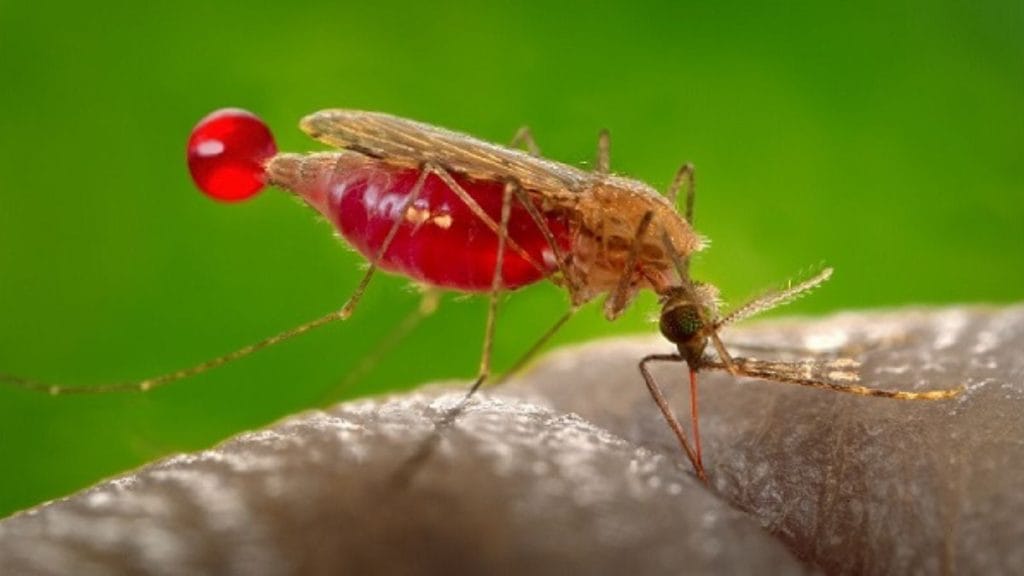
Malaria Cases in South Africa are rising, prompting renewed public health warnings. Health authorities are urging residents and travellers to take prevention seriously, especially in high-risk provinces. While malaria is preventable and treatable, delayed action can lead to severe illness or death.
Rising Malaria Cases in South Africa
Recent data from the National Institute for Communicable Diseases (NICD) and provincial health departments show a noticeable increase in malaria infections. Gauteng, a non-endemic province, has reported imported cases linked to travel. Meanwhile, endemic regions such as Limpopo, Mpumalanga, and northern KwaZulu-Natal remain the most affected.
The World Health Organization (WHO) notes that malaria transmission often rises after heavy rainfall and warmer temperatures. These conditions create ideal breeding grounds for mosquitoes.
Several factors may explain the current spike:
- Increased travel to and from malaria-endemic areas
- Seasonal rainfall boosting mosquito populations
- Gaps in prevention measures such as indoor spraying
- Delayed diagnosis and treatment
Although malaria is not new, the current trend highlights the need for stronger awareness and early action.
ALSO READ: Eskom Tariff Increase 2026: What to Expect & Save Power
Malaria Risk Areas in South Africa
Malaria transmission in South Africa is mostly limited to specific regions. However, cases can appear anywhere due to travel.
High-risk areas include:
- Limpopo (especially Vhembe and Mopani districts)
- Mpumalanga (Ehlanzeni district, including Kruger National Park)
- Northern KwaZulu-Natal (uMkhanyakude district)
Travellers visiting neighbouring countries such as Mozambique, Zimbabwe, and Eswatini also face higher exposure.
If you live in or travel to these areas, prevention is essential.
Malaria Symptoms and Early Warning Signs
Recognising symptoms early can save lives. Malaria often starts like flu but worsens quickly without treatment.
Common symptoms include:
- Fever and chills
- Headache
- Muscle pain and fatigue
- Nausea and vomiting
- Sweating and shivering
Severe symptoms may include:
- Confusion or seizures
- Difficulty breathing
- Severe weakness
- Jaundice (yellowing of the skin)
Symptoms usually appear 7 to 14 days after infection. However, they can develop sooner.
If you experience these symptoms after visiting a malaria risk area, seek medical care immediately. Do not delay testing.
Why Early Detection Matters
Malaria can become life-threatening within hours if untreated. However, early diagnosis leads to effective treatment and full recovery in most cases.
Healthcare providers use rapid diagnostic tests or blood tests to confirm infection. Treatment typically involves antimalarial medication, which works best when started early.
The NICD emphasises that most severe cases occur due to delayed treatment. Acting quickly reduces complications and prevents deaths.
How to Prevent Malaria
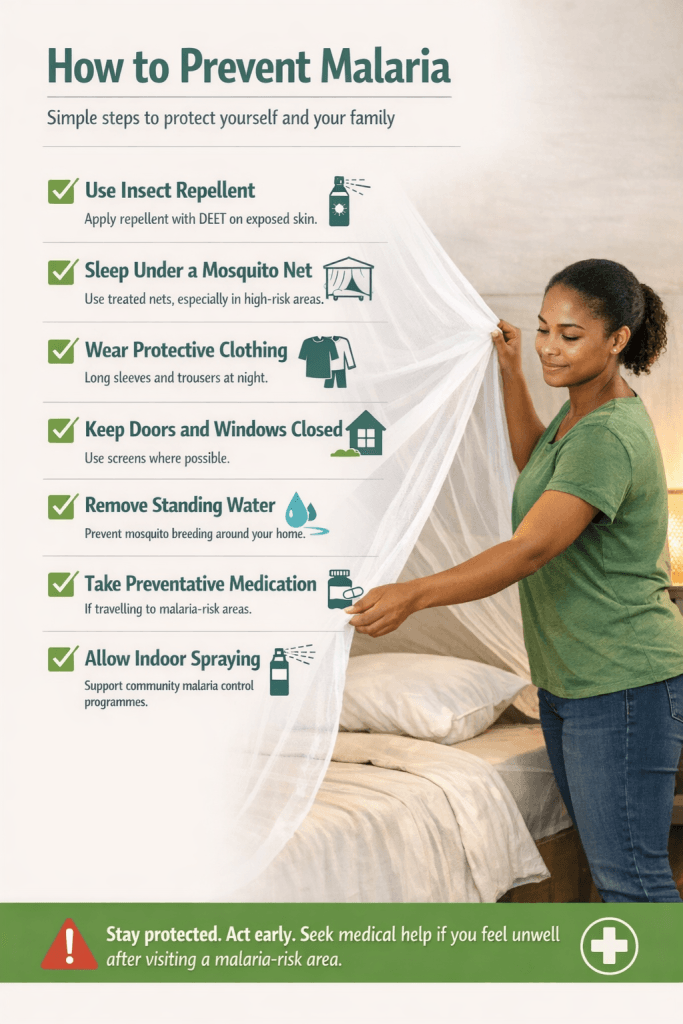
Prevention remains the most effective way to reduce malaria cases. Simple steps can significantly lower your risk.
Personal Protection
- Use insect repellent containing DEET
- Wear long sleeves and trousers, especially at night
- Sleep under insecticide-treated mosquito nets
- Keep windows and doors closed or screened
Home and Environmental Measures
- Remove standing water where mosquitoes breed
- Support indoor residual spraying programmes
- Use fans or air conditioning where possible
Travel Precautions
- Take prescribed antimalarial medication before travel
- Consult a healthcare provider before visiting high-risk areas
- Continue medication after returning, as advised
These measures are especially important during peak malaria seasons.
Who Is Most at Risk?
Certain groups face higher risk of severe malaria:
- Young children
- Pregnant women
- Elderly individuals
- People with weakened immune systems
- Travellers without prior exposure to malaria
If you fall into these groups, take extra precautions and seek medical advice before travelling.
Community Awareness Is Key
Reducing malaria cases requires collective action. Public health campaigns, early reporting, and community cooperation all play a role.
Government programmes such as indoor spraying depend on community participation. Refusing access to spraying teams can increase infection risk.
Staying informed and sharing accurate information helps protect everyone.
FAQs About Malaria Cases
What causes the increase in malaria cases?
Rising temperatures, rainfall, and increased travel contribute to higher transmission rates.
Can malaria be treated?
Yes. Malaria is treatable, especially when detected early. Prompt care leads to full recovery in most cases.
How soon should I seek help if I have symptoms?
Seek medical attention immediately if you develop symptoms after visiting a risk area.
Do I need medication before travelling?
Yes, if you are visiting a malaria-prone area. Consult a healthcare provider for the correct prophylaxis.
Is malaria contagious from person to person?
No. Malaria spreads through bites from infected mosquitoes, not direct contact.
The rise in malaria cases South Africa is a serious public health concern. However, it is manageable with the right knowledge and action.
Stay alert to symptoms, take prevention seriously, and seek treatment early. These steps can protect you and your community.