






Author: Nomthandazo Ntisa

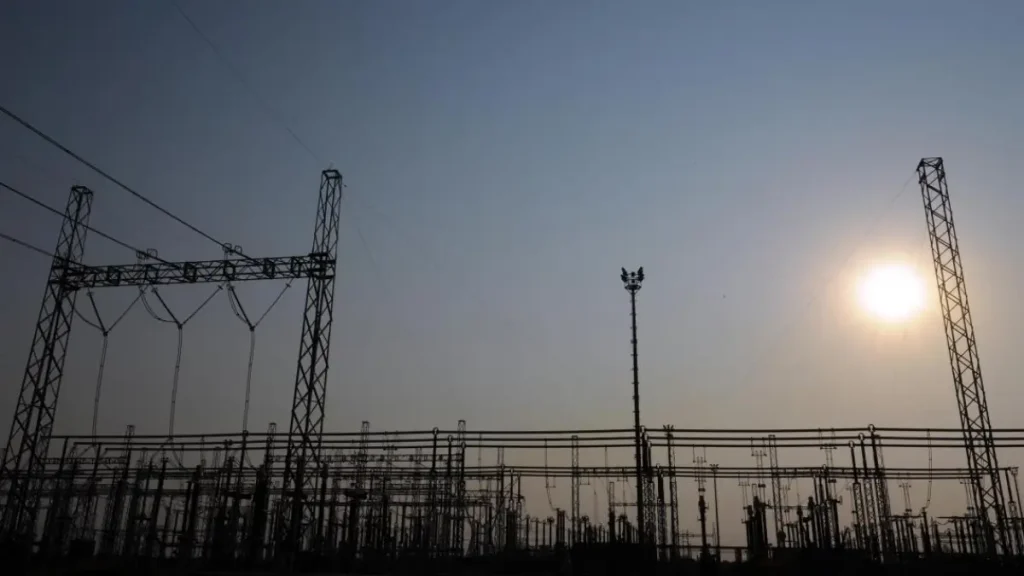
Eskom’s load reduction programme will continue across Gauteng for the entire month of March 2026, with scheduled electricity interruptions affecting multiple high-density and rural areas.

Are you waiting for your NSFAS allowance but haven’t been paid? Learn the common reasons for NSFAS payment delays and how to resolve the issue quickly.

Metrobus card
Thousands of students funded by the National Student Financial Aid Scheme are receiving academic eligibility notifications in 2026 that require an NSFAS propensity letter before an appeal can be processed. The document mainly affects final-year students who have exceeded the NSFAS N+ rule but are close to completing their qualifications. With appeals strictly limited to 30 days from notification, understanding what this letter is and how to submit it has become urgent for many Gauteng students.
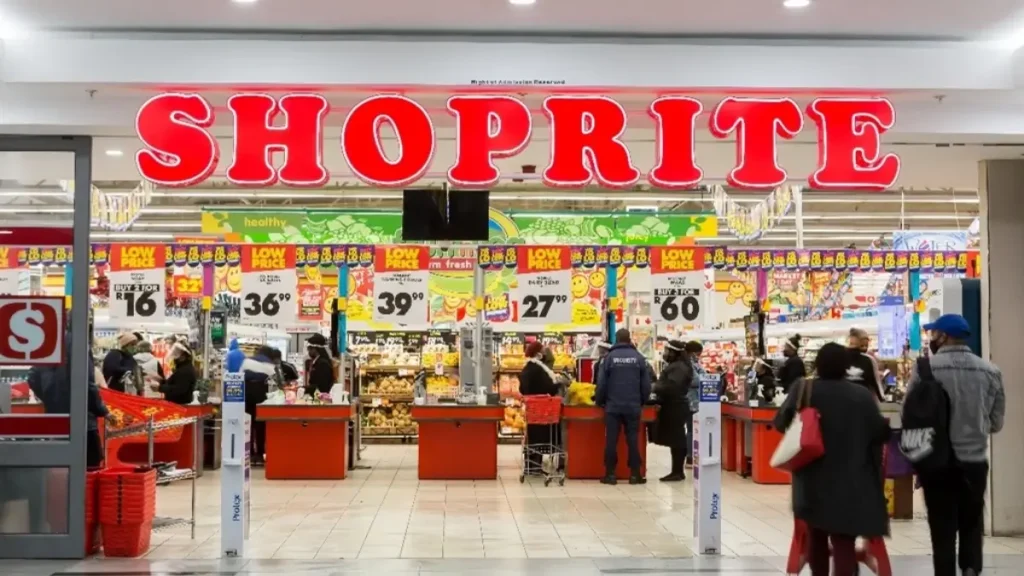
Shoprite has released its latest weekly specials running from 16 to 22 February 2026, with discounted grocery staples, household essentials, and liquor promotions now available across Gauteng stores. The offers come as many households continue to manage tight budgets ahead of month-end. The specials include reduced prices on maize meal, cooking oil, rice, frozen chicken portions, toiletries, and selected spirits and beer.

The Gauteng MEC for Transport has issued a warning to unlicensed scholar transport operators as authorities intensify compliance inspections across the province. The warning follows a meeting in Soweto between the department and taxi as well as scholar transport operators, amid ongoing vehicle impoundments and fines for non-compliance.

South African motorists could face higher fuel prices in March 2026, with early data from the Central Energy Fund indicating under-recoveries across petrol and diesel. The projections affect drivers in Gauteng, where fuel costs directly influence transport, goods pricing, and household budgets. While the figures remain preliminary, current trends suggest both petrol and diesel are set to increase next month.

UIF contributions in South Africa remain set at 2 percent of an employee’s remuneration in 2026, split equally between employer and employee. That means 1 percent is deducted from the employee’s salary and 1 percent is paid by the employer, with the total submitted monthly to SARS. The calculation matters for payroll accuracy across Gauteng because errors can affect payslips, compliance status, and an employee’s ability to claim UIF benefits later.

Thousands of Gauteng residents rely on the R370 Social Relief of Distress (SASSA) grant for monthly financial support. If a beneficiary loses their SIM card or changes their cellphone number without updating it on the system, access to payment notifications and verification codes can be disrupted. The South African Social Security Agency has confirmed that beneficiaries must immediately update their registered phone number to prevent delays in receiving payments.

Millions of South Africans rely on social grants as their primary or only source of income. In Gauteng, where the cost of food, transport, electricity, and rent continues to rise, saving even a small portion of a SASSA grant has become increasingly difficult. However, financial experts and community advisers say that setting aside as little as R50 or R100 per month can build a small but critical emergency buffer over time.