

If your March 2026 NSFAS Allowance has not been paid, the first thing to know is that a delay does not always mean your funding has been cancelled. NSFAS confirmed that the University March allowances upfront payment was completed on 2 March 2026, while the first accommodation disbursement was scheduled for 13 March 2026 and marked on track in its March update. NSFAS also noted that payments depend on valid registration data and related processing steps, so some students may experience delays even when funding exists.
For stressed students, that distinction matters. A missing payment can happen because of registration uploads, unverified banking details, a pending agreement, or institution-side processing. This guide explains why your NSFAS allowance is delayed, how to check your status, and the exact steps to take next.
Why is My NSFAS Allowance Not Paid?
If you are asking, “why is my NSFAS allowance not paid?”, these are the most common reasons.
ALSO READ: 9 Crucial NSFAS Application Status Outcomes Explained
1. Your Registration Has Not Been Uploaded Correctly
NSFAS says funding is confirmed after registration at a public university or TVET college, and institutions are expected to submit complete and accurate registration data. NSFAS also states that if an institution has not submitted your registration record, or has submitted it incorrectly, that query must be directed to the institution.
2. Your Banking Details Are Missing, Incorrect, or Not Verified
For TVET students, NSFAS requires beneficiaries to use their personal bank account and submit those details through myNSFAS. Payments are not made to third-party or institutional accounts, and NSFAS says banking details are verified after submission. If your details are wrong or still unverified, your allowance can be delayed.
3. Your Application Status is Still Changing
NSFAS said in January 2026 that students must check their myNSFAS portal because some statuses may still change while outstanding documents and appeals are being processed. That means a student may think funding is settled when part of the process is still incomplete.
4. You Still Need to Sign Required Funding Documents
NSFAS says first-time funded students must sign the NSFAS Bursary Agreement when required. If that step is outstanding, it can hold up final processing.
ALSO READ: How to Appeal Your 2026 NSFAS Application – Full Guide for Students
Step 1: Check your NSFAS status online
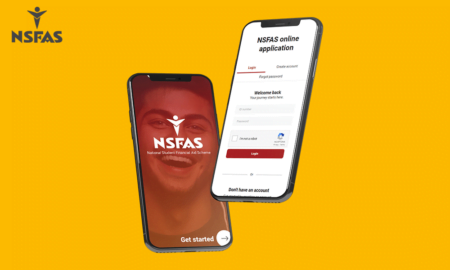
Start with your myNSFAS account. NSFAS instructs students to log in to the student portal and check their application status. If your account reflects “Eligible for a bursary”, your funding eligibility has been confirmed, but payment can still depend on registration and disbursement processing.
When you log in, look for:
- your funding status
- whether your registration appears captured
- any request for documents
- messages about agreements, appeals, or verification
If you cannot access your account, NSFAS provides password recovery through myNSFAS.
Step 2: Check the March 2026 NSFAS payment timeline
Understanding the timeline can reduce panic. NSFAS’s 5 March 2026 update said:
- University March allowances upfront payment: completed on 2 March 2026
- First accommodation disbursement: scheduled for 13 March 2026, marked on track
- TVET second February allowance payment: completed on 27 February 2026
This means some students may not see funds on the exact same day. Universities and colleges still need to process or distribute funds based on approved registrations and internal procedures. NSFAS had already said universities are responsible for ensuring correct disbursement to eligible students after upfront payments are made.
Step 3: Confirm your registration with your institution
This is one of the most important steps in fixing NSFAS payment issues. If your allowance has not arrived, contact your university financial aid office or TVET student support office and ask them to confirm:
- that you are fully registered
- that your registration record was uploaded to NSFAS
- that your qualification and study load were captured correctly
- that your allowance categories were submitted correctly
NSFAS is clear that registration-related problems often sit with the institution, not with the student portal. If the record was not submitted, NSFAS says the matter must be handled by the institution.
Step 4: Fix your banking details immediately if you are at TVET
If you are a TVET student, check your bank details on myNSFAS as soon as possible. NSFAS says TVET students funded by NSFAS receive allowances through a bank account of their choice, but it must be their personal account. It also warns students not to use the previous NSFAS Direct Payment black card.
For an NSFAS banking details update, make sure:
- the account is active
- the account is in your own name
- the account number is correct
- your details show as submitted and verified
NSFAS says students whose funding is approved can submit banking details, and students whose registration data has been received will receive payments.
Step 5: Check if accommodation or transport is still being processed
Not every delay affects every part of your allowance equally. NSFAS says institutions determine whether students qualify for accommodation or transport benefits based on the relevant rules and records. In the March 2026 update, NSFAS also specifically separated university allowances from accommodation disbursement dates, which shows that one payment type can move before another.
So, if you received part of your funding but not all of it, ask whether:
- your accommodation approval is still pending
- your lease or housing details are still under review
- your transport allowance has not yet been confirmed
Step 6: Escalate to NSFAS if the issue is still not resolved
If your institution confirms that your registration is correct and your payment is still missing, escalate the matter directly to NSFAS. The official NSFAS contact channels are:
- Toll-free: 08000 67327
- Email: info@nsfas.org.za
- WhatsApp: +27 63 093 5671
- USSD: *120*67327#
- Social media: @myNSFAS on X and Instagram, plus NSFAS on Facebook
When contacting NSFAS, keep these ready:
- your ID number
- student number
- institution name
- screenshots of your myNSFAS status
- proof of registration
- proof of bank details, if relevant
Step 7: Appeal only if your funding was rejected or withdrawn
An appeal is not the first fix for every delayed payment. NSFAS says students must submit an appeal within 30 days of receiving their application result, and the appeal is done through the myNSFAS profile. However, NSFAS also says missing or incorrect registration records should be handled by the institution, not through an appeal.
So appeal when:
- your funding was rejected
- your funding was withdrawn
- NSFAS formally asked for an appeal-related step
Do not start with an appeal if the real issue is a registration upload or bank verification delay.
How to Avoid NSFAS Allowance Delayed Problems in Future
To lower the risk of another NSFAS allowance delayed issue:
- register as early as your institution allows
- check myNSFAS regularly for alerts
- upload banking details early if you are a TVET student
- sign any agreement forms quickly
- keep your phone number and email active
- follow up with your financial aid office after registration
These simple steps matter because NSFAS links payment processing to approved funding, valid registrations, and verified student information.
How to Manage While Waiting for Payment
Waiting for your March 2026 NSFAS Allowance can be stressful, especially if you rely on it for transport, food, toiletries, or rent. While you wait:
- prioritise essentials first
- speak to your residence manager or landlord early if accommodation money is delayed
- ask student support services if your campus offers emergency help
- keep records of every query and response
Being proactive can protect you from missing classes or falling into avoidable debt while the issue is being fixed.
ALSO READ: NSFAS Propensity Letter Explained: Who Needs It and How to Submit It in 2026
FAQs
How long does NSFAS take to pay?
There is no one payment date for every student. NSFAS publishes broad disbursement timelines, but actual receipt can depend on registration uploads, bank verification, and institution processing.
How do I fix NSFAS payment issues?
Start by checking myNSFAS, then confirm your registration with your institution, verify your banking details if you are a TVET student, and escalate to NSFAS if the issue remains unresolved.
Can NSFAS pay if my banking details are wrong?
For TVET students, incorrect or unverified banking details can delay payment because NSFAS requires a valid personal bank account and verifies submitted details.
How to Avoid NSFAS Payment Delays in Future Months
- Register at your institution as early as possible — late registration means late data submission to NSFAS.
- Keep your banking details updated on myNSFAS at all times, especially if you open a new account.
- Ensure your cellphone number on myNSFAS is active so you receive payment and status notifications.
- Log in to your myNSFAS portal at least once a month to check for any outstanding actions or alerts.
- Submit academic results and any outstanding documents to your institution promptly at the end of each semester.
Missing your March 2026 NSFAS allowance is frustrating, but it is almost always fixable. The key is to act quickly — check your portal, confirm your details, and engage your financial aid office without delay. The sooner you identify the source of the problem, the sooner your payments will be back on track.
For the most up-to-date information, always refer to the official NSFAS website at nsfas.org.za or follow @myNSFAS on social media.