






Author: Nomthandazo Ntisa

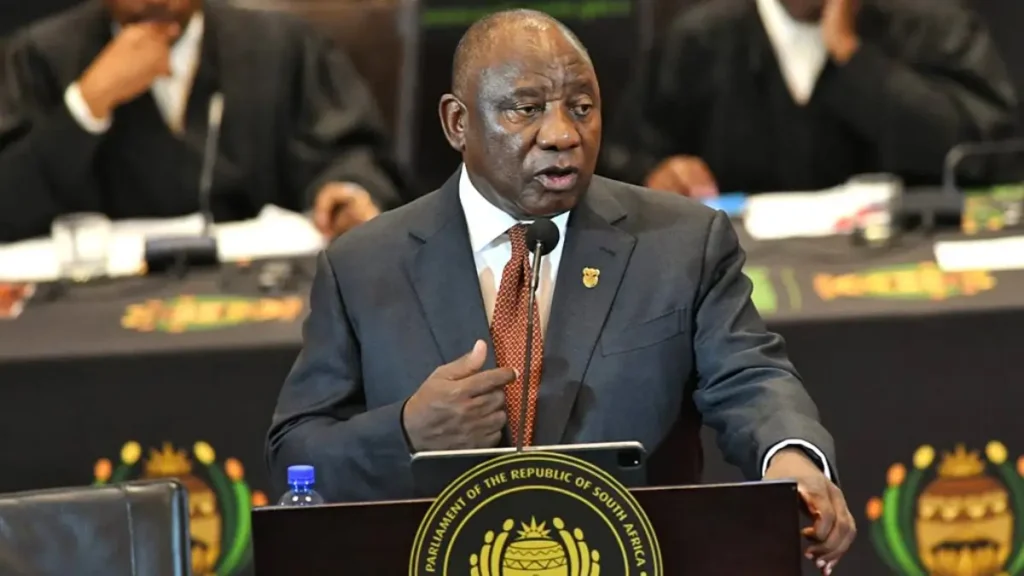
President Cyril Ramaphosa will deliver the 2026 State of the Nation Address (SONA) on Thursday, 12 February at 19:00 before a joint sitting of Parliament in Cape Town. The address comes at a pivotal moment for South Africa, as the Government of National Unity (GNU) faces mounting pressure to demonstrate measurable progress on economic growth, unemployment, service delivery, and crime.

Gauteng households are facing sustained food price pressure in 2026, with grocery bills continuing to rise despite smaller basket sizes. Rising fuel costs, electricity increases, and supply chain pressures have contributed to steady food inflation, affecting both lower-income families and middle-income earners. As a result, consumers across the province are changing how they plan, shop for groceries, and store food to control spending.
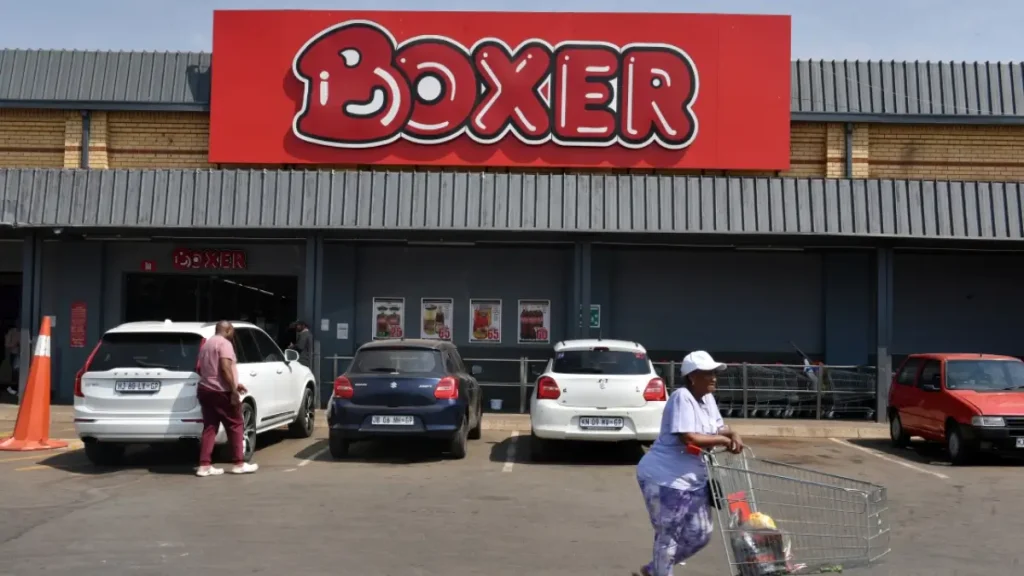
Boxer Superstores continues to position its in-store Money Kiosk service as a central payment and financial access point for customers across Gauteng. The retailer confirms that customers can pay a range of household accounts at any till point, including selected municipal bills, television subscriptions, and funeral policies.

South Africans are legally required to hold a valid television licence if they own a TV set, and payment can be made at thousands of physical and digital outlets nationwide. The South African Broadcasting Corporation confirms that TV licence payments are accepted at major retail chains, banks, the Post Office, and through online platforms. With renewal penalties accruing monthly, knowing where and how to pay is critical for Gauteng households to manage compliance and avoid additional charges.

Residents and business owners in several Johannesburg suburbs took to the streets on Wednesday morning after weeks of dry taps and inconsistent water supply. The protests affect communities supplied by the Johannesburg Commando System, including Melville, Westdene, Parktown West and Emmerentia. The unrest highlights growing frustration over prolonged water outages that residents say have stretched close to a month in some areas.

Life insurance claims in South Africa are typically paid within 14 to 60 days, depending on the type of policy and how quickly documentation is submitted. While some funeral policies may be settled within 24 to 48 hours, comprehensive life insurance claims often take longer due to legal verification requirements around beneficiaries and, in some cases, the cause of death.
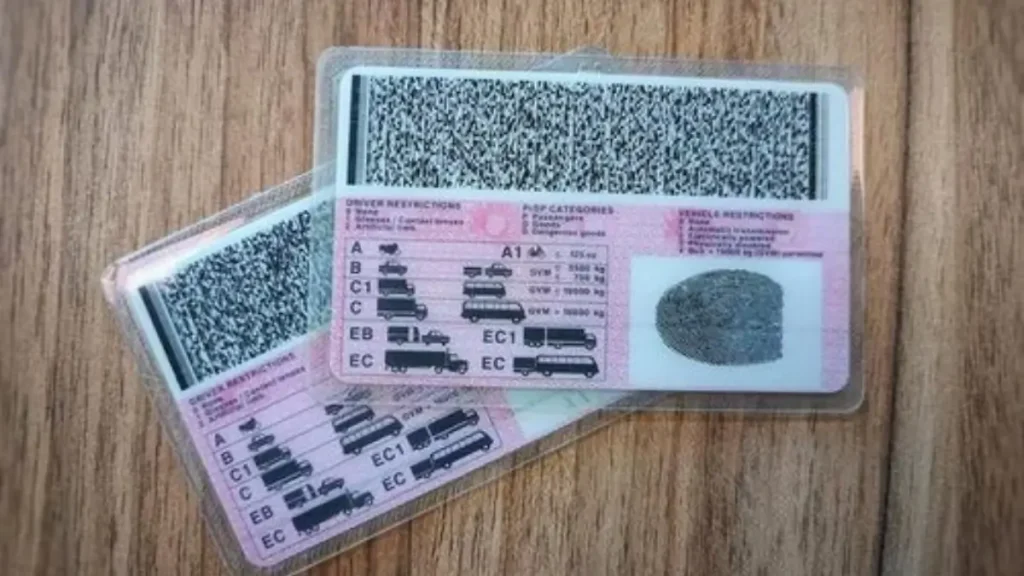
Thousands of South African motorists are still waiting for their driver’s licence cards, with many unsure whether their cards are ready for collection or still in production. The delay affects new applicants, renewals, and professional driving permit holders, particularly in Gauteng, where licence testing centres process a high volume of applications.

Many South Africans say they are “blacklisted” after being refused a loan, cellphone contract, car finance, or a rental application. In reality, there is no single national blacklist. The term is commonly used to describe a credit record that contains negative information held by a registered credit bureau. This information can influence how lenders, landlords, employers, and service providers assess applications.
A Jet account allows customers to apply for a retail credit account through digital and in-store channels, a process that affects thousands of Gauteng residents who rely on store accounts for clothing and household purchases. The application process now falls under the broader TFG Money system, which manages credit across multiple retail brands.
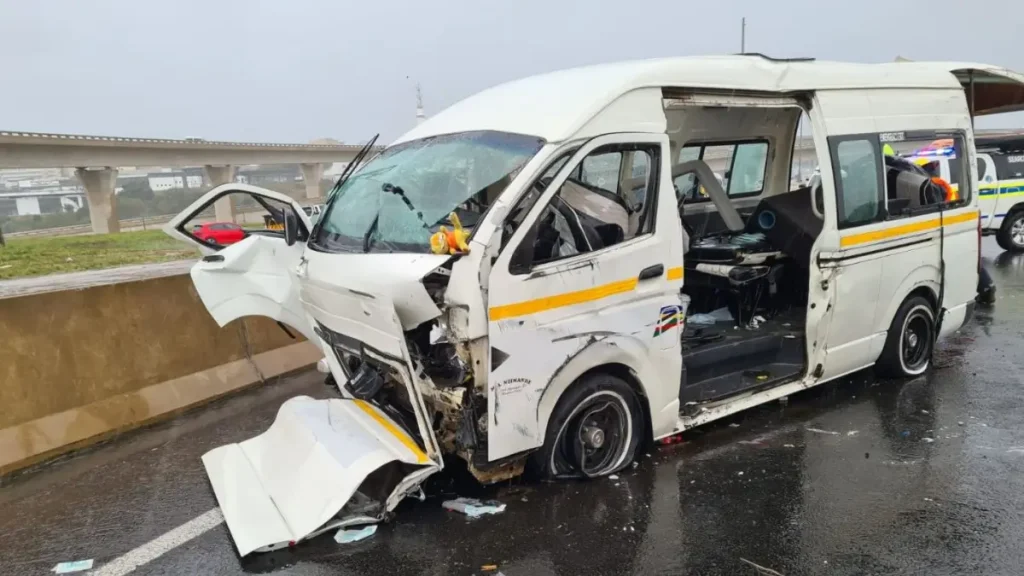
Road accidents involving minibus taxis remain a regular occurrence on South Africa’s roads, particularly in high-traffic provinces such as Gauteng. With taxis serving as a primary mode of transport for millions of commuters each day, collisions often leave passengers injured and uncertain about their legal and financial position.