




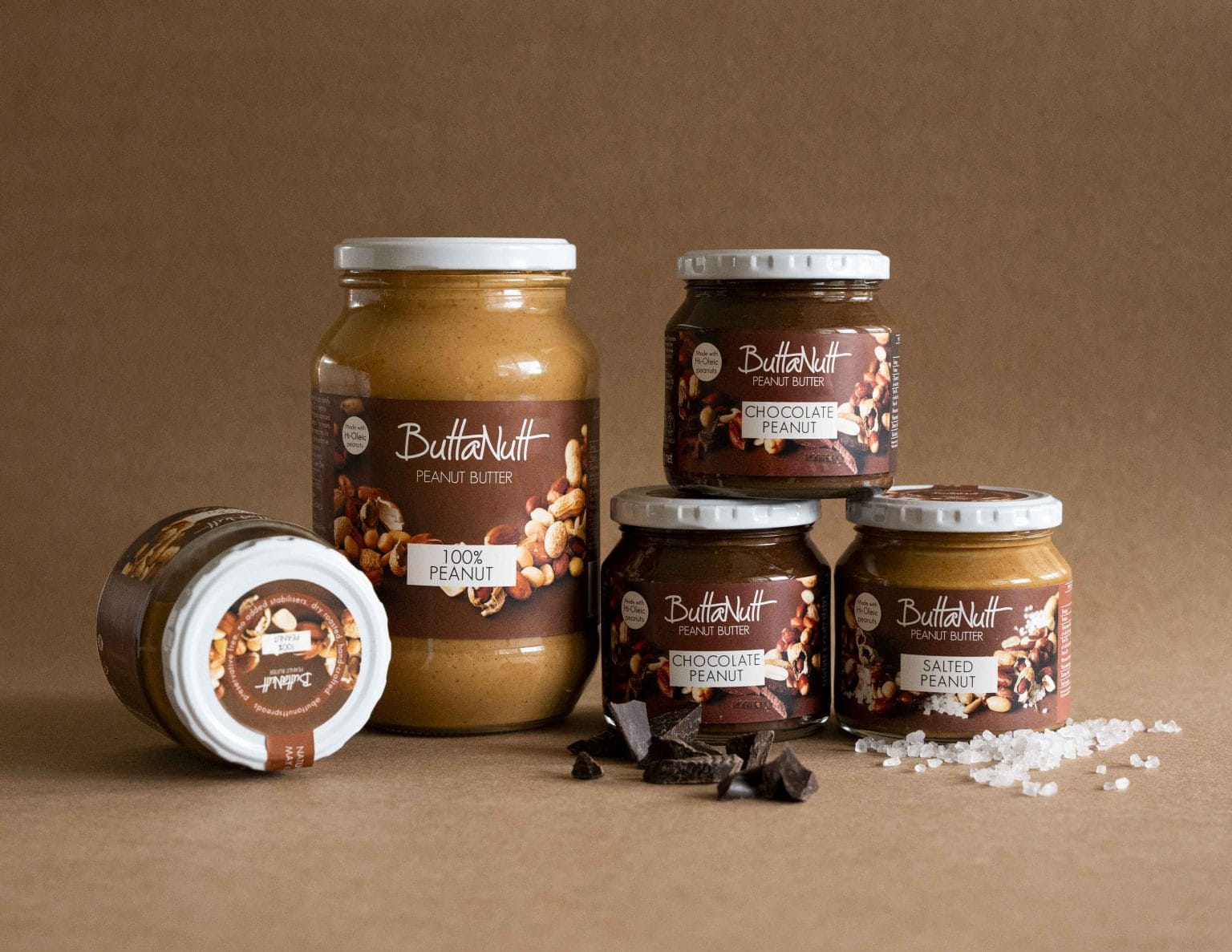
A health alert has been issued for South African consumers regarding a ButtaNutt Peanut Butter recall. The company has pulled several batches of its popular peanut butter products from the shelves after detecting elevated aflatoxin levels. This toxic substance can pose serious health risks, particularly when consumed over time. Here’s everything you need to know about the recall, how it could affect your health, and what actions you should take.
What Is Aflatoxin and Why Is It a Concern?
Aflatoxins are toxic compounds produced by fungi (Aspergillus species) that can grow on peanuts, maize, and other crops under specific conditions, especially in warm and humid environments. These toxins are carcinogenic and have been linked to liver damage and cancer, making them a serious concern in food safety.
While aflatoxins are naturally occurring, levels above the safety threshold can pose health risks. In this case, the ButtaNutt Peanut Butter recall was initiated due to the detection of aflatoxin levels exceeding the legal limit set by food safety regulations.
ALSO READ: Water Outages Leads To Joburg Residents Protest
How Was the ButtaNutt Peanut Butter Recall Triggered?
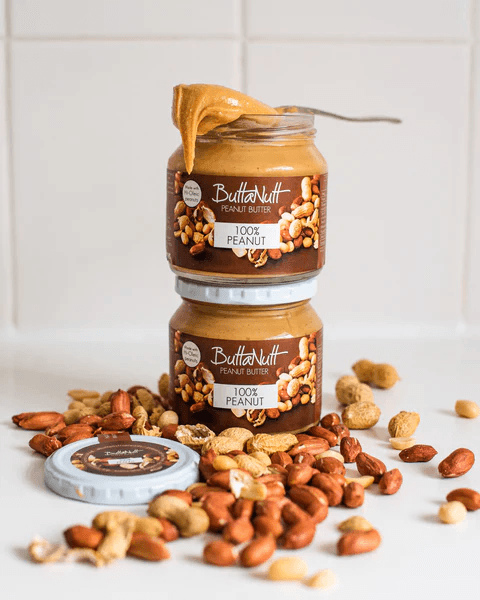
The recall was prompted by internal testing conducted by ButtaNutt, which revealed that certain batches of their peanut butter products contained elevated aflatoxin levels. According to ButtaNutt, aflatoxin levels in the affected products were found to be as high as 46 parts per billion (ppb), well above the 10ppb legal limit allowed in food products.
This discovery has raised concerns among health professionals, particularly since aflatoxin exposure over time can lead to serious liver conditions and increased cancer risk. Fortunately, the levels detected in ButtaNutt’s peanut butter were not likely to cause acute illness from a single consumption, but long-term exposure could lead to severe health consequences.
Which ButtaNutt Peanut Butter Products Are Affected?
The affected products are mainly ButtaNutt Peanut Butter and ButtaNutt Chocolate Peanut Butter, all produced in January 2026. Consumers in Gauteng and surrounding provinces who have purchased the following products should check the packaging for the best-before dates and batch numbers:
- ButtaNutt Chocolate Peanut Butter – 250g (Best before: 15/07/2027)
- ButtaNutt 100% Peanut Butter – 1kg (Best before: 17/07/2027)
- ButtaNutt 100% Peanut Butter – 2.5kg (Best before: 13/07/2027 and 28/07/2027)
These products were primarily sold through specialty retailers and some large supermarket chains, including Pick n Pay and Spar. If you’ve purchased any of these items with the affected batch numbers, they should not be consumed.
What Should You Do If You Have Affected ButtaNutt Peanut Butter?
Consumers who have purchased any of the affected batches are advised to stop using the product immediately. Here’s what you should do next:
- Do not consume the product.
- Return it to the place of purchase for a full refund or exchange.
- If purchased online, follow the return instructions on ButtaNutt’s website.
- Keep an eye out for any health symptoms and seek medical advice if you are concerned about past consumption.
By following these steps, you help protect yourself and your loved ones from potential health risks associated with aflatoxin.
Why Peanut Butter Recalls Are Increasing in South Africa
While peanut butter recalls are not a new phenomenon in South Africa, recent cases have highlighted an increased focus on food safety. In 2020, several other peanut butter brands were also recalled due to aflatoxin contamination. These recalls have drawn attention to the need for better testing and regulatory oversight, as well as more transparency from manufacturers.
In this context, ButtaNutt’s quick response to the contamination is a positive step towards consumer safety, but it also underscores the importance of being vigilant about the products you consume.
How Can You Avoid Aflatoxin Contamination?
While aflatoxin contamination is difficult to detect without lab testing, there are a few steps consumers can take to reduce the risk:
- Purchase from reputable brands that follow strict safety standards.
- Check product packaging for any signs of recalls or warnings.
- Store peanut butter properly to avoid exposure to humidity and temperature extremes.
By staying informed and following food safety guidelines, you can reduce the risk of consuming contaminated products.
FAQs:
What is aflatoxin and how does it affect health?
Aflatoxin is a toxic substance produced by fungi that can grow on peanuts. Chronic exposure to aflatoxin increases the risk of liver damage and cancer.
Are all ButtaNutt products affected by the rec
No, only specific batches of ButtaNutt Peanut Butter and ButtaNutt Chocolate Peanut Butter produced in January 2026 are affected.
What should I do if I have the recalled peanut butter?
Stop using the product immediately and return it to the place of purchase for a refund or exchange.
The ButtaNutt Peanut Butter recall serves as a timely reminder of the importance of food safety and the risks associated with aflatoxin contamination. While the levels detected in the affected products are not immediately dangerous, consumers should still take precautionary measures by returning recalled products and avoiding further consumption.