




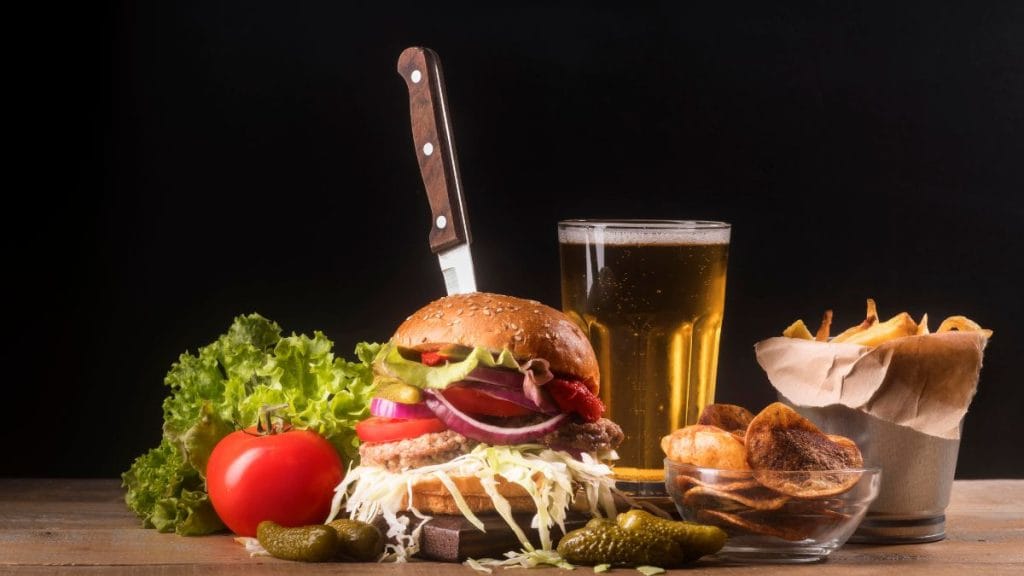
High cholesterol is a major health concern in South Africa and around the world. What we eat plays a key role in managing High Cholesterol Levels. Certain foods are linked to raising LDL (“bad”) cholesterol in the blood. This increases the risk of heart disease, heart attack, and stroke. Understanding which foods contribute to high cholesterol can help you make smarter dietary choices.
What Is High Cholesterol?
Cholesterol is a waxy substance found in the blood. The liver produces it, but diet also influences levels. Too much LDL cholesterol can build up as plaque in the arteries. This narrows blood vessels and raises the risk of cardiovascular disease. Lifestyle and diet changes can improve cholesterol and heart health.
Why Diet Matters
Foods high in saturated fat and trans fat can raise LDL cholesterol in the blood. Saturated fats are typically solid at room temperature and found mainly in animal-based foods and some plant oils. Trans fats are often found in processed foods. Both types of fats encourage LDL production, increasing heart disease risk.
ALSO READ: High Cholesterol Levels? 10 Foods That Naturally Help Lower High Levels
Top 10 Foods Linked to High Cholesterol Levels
Here is a clear list of foods that may raise LDL cholesterol when consumed frequently:
1. Processed Meats

- Includes: bacon, sausages, hot dogs, polony, salami
- These products are rich in saturated fats and often contain added salts and preservatives. High intake is linked to raised LDL cholesterol.
2. Fatty Red Meats
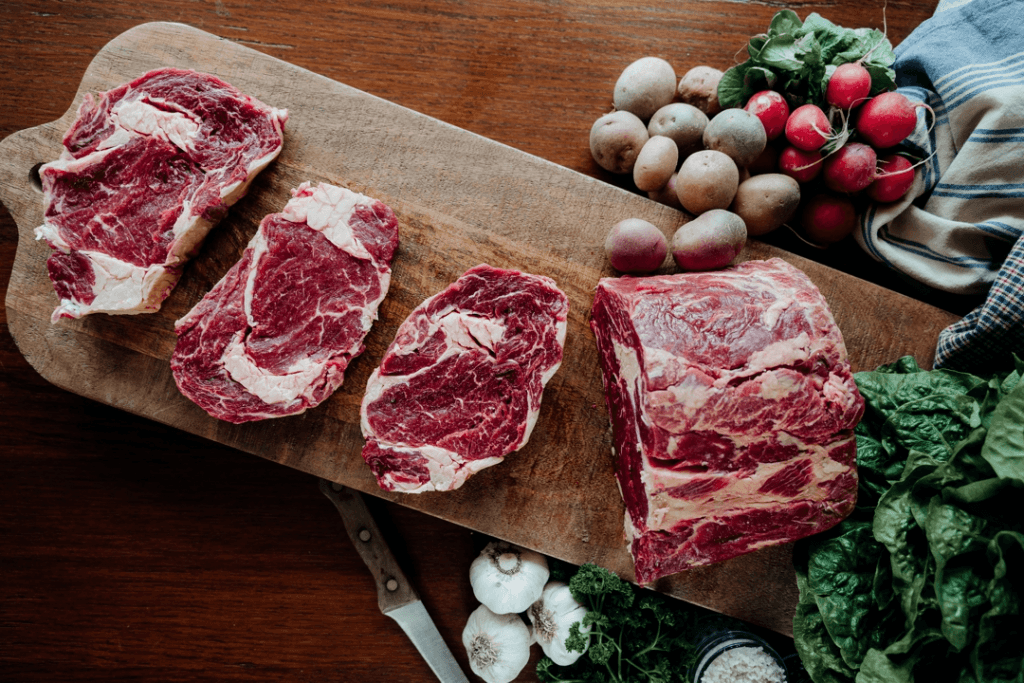
- Examples: beef ribs, lamb chops, pork belly
- Red meat contains higher levels of saturated fat than lean protein sources, which can raise bad cholesterol.
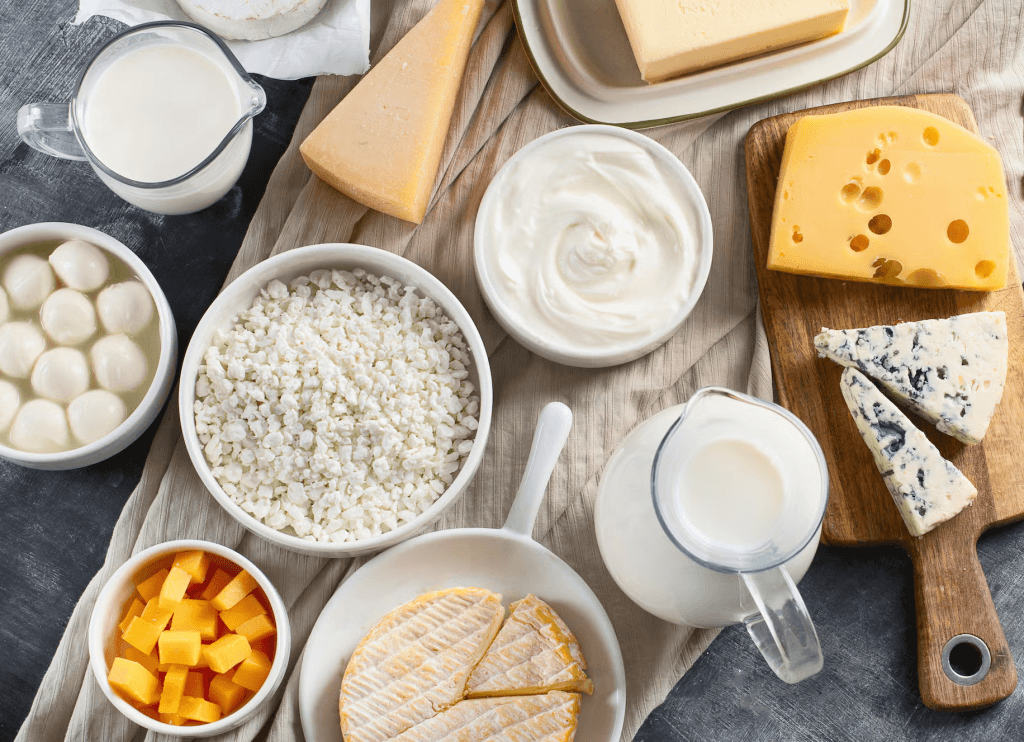
3. Full-Fat Dairy Products
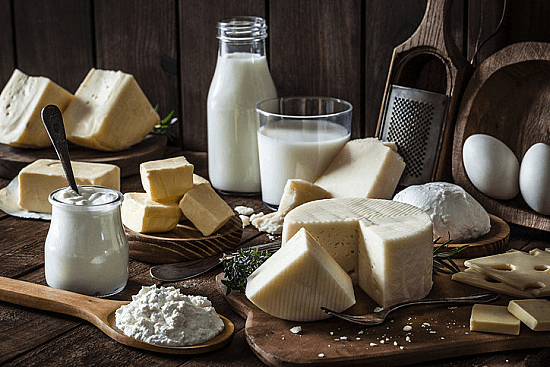
- Includes: cream, butter, cheese, whole milk, ice cream
- Dairy fats are high in saturated fat, which contributes to elevated LDL when eaten regularly.
4. Organ Meats
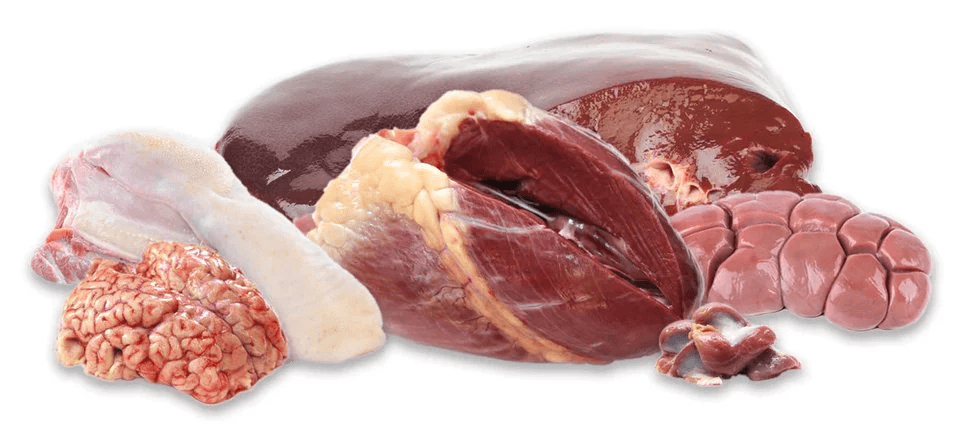
- Examples: liver, kidneys, brains
- These are high in dietary cholesterol and saturated fat, which can increase LDL cholesterol.
5. Fried and Fast Foods

- Includes: french fries, fried chicken, deep-fried snacks
- These foods are high in saturated and sometimes trans fats, which significantly contribute to poor cholesterol profiles.
ALSO READ: 7 Benefits for Castor Oil: Uses, Health Advantages, and Everyday Remedies
6. Commercial Pastries and Baked Goods
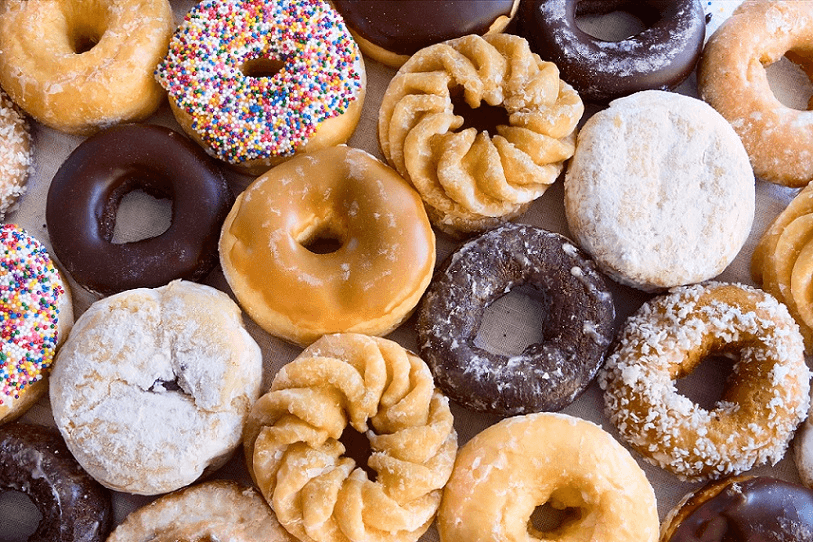
- Examples: pies, doughnuts, muffins, cakes
- Often made with butter, shortening or hydrogenated oils, adding saturated and trans fats.
7. Chicken With Skin
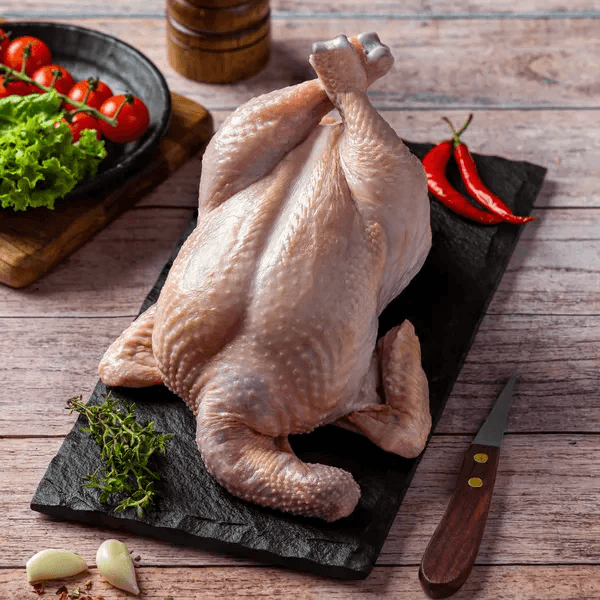
- Fats are concentrated in the skin, adding a lot of saturated fat
- Removing skin lowers the saturated fat content significantly.
8. Tropical Oils (Coconut & Palm Oil)
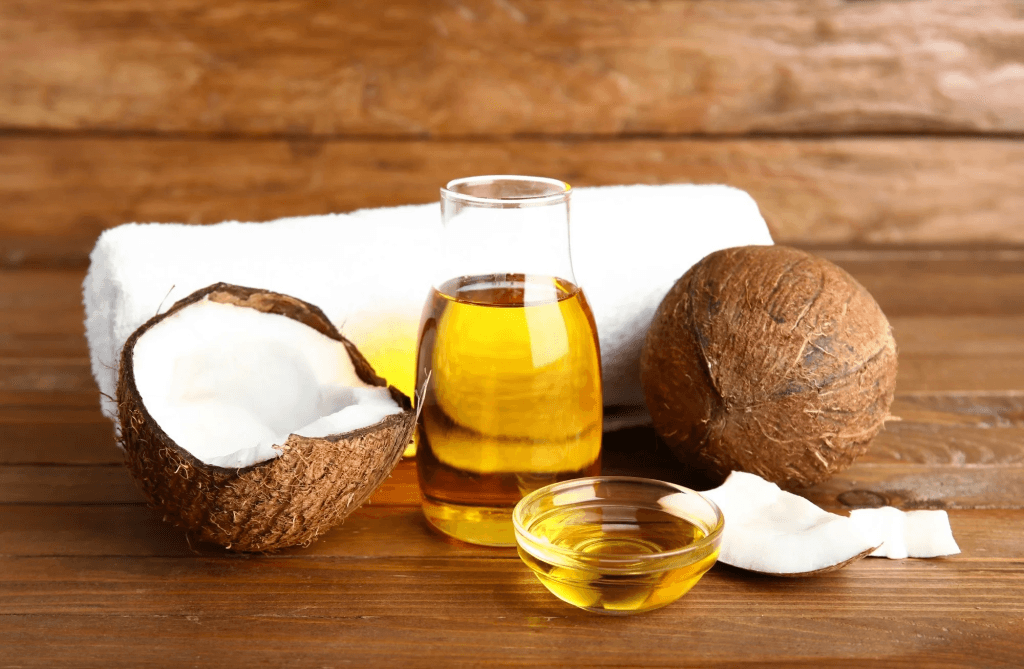
- Widely used oils that are high in saturated fat
- Coconut and palm oils increase LDL cholesterol more than many other vegetable oils.
9. High-Fat Snack Foods
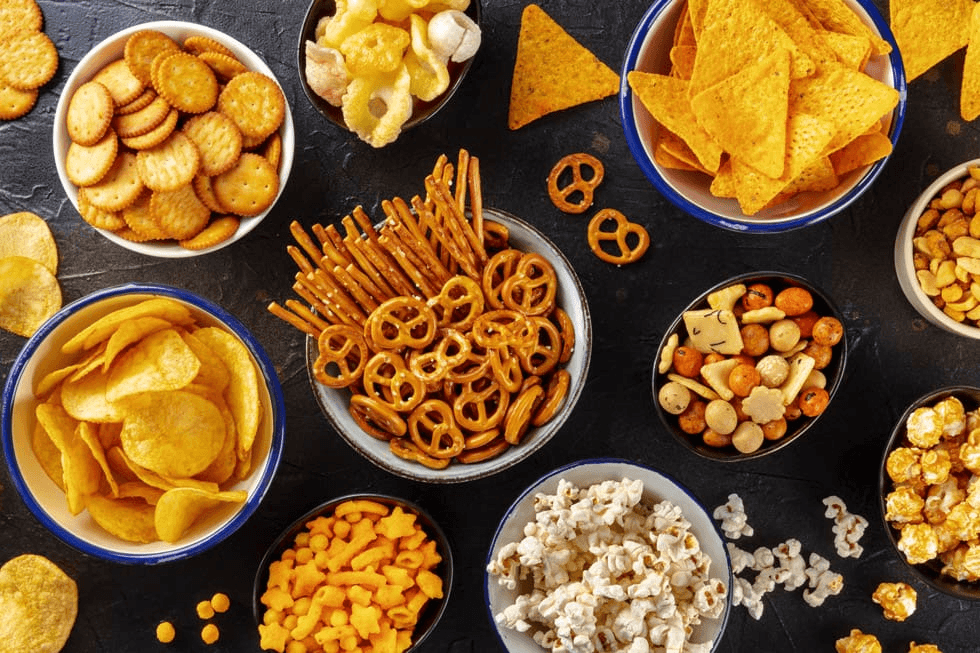
- Examples: chips, cheese crackers, savoury snacks
- These items are often rich in saturated fats and calories, contributing to unhealthy cholesterol.
10. High-Fat Dairy Alternatives With Saturated Fats
- Examples: some margarines and hard spreads
- Not all plant-based spreads are low in saturated fats; check food labels carefully.
Tips to Reduce High Cholesterol Levels
Switching foods can make a big impact on your LDL levels and heart health.
Choose Heart-Healthy Alternatives
- Lean proteins: chicken without skin, fish, legumes
- Healthy fats: olive oil, canola oil, nuts and seeds
- Whole grains: oats, brown rice, wholewheat bread
- Fibre-rich foods: beans, fruit, vegetables
Replacing saturated and trans fats with unsaturated fats may help lower LDL cholesterol and reduce cardiovascular risk.
South African Context: Diet and Heart Health
High cholesterol is one of the leading risk factors for cardiovascular disease in South Africa, contributing to hospital admissions and mortality. Lifestyle factors like diet and physical activity are key drivers of cholesterol levels. Ask your healthcare provider about personalised diet guidance.
NOW READ: PrEP vs PEP vs ART: Key Differences Explained
Frequently Asked Questions (FAQs)
Can dietary cholesterol directly raise blood cholesterol?
Not always. Studies show that saturated and trans fats have a bigger impact on raising LDL cholesterol than dietary cholesterol alone.
How often should I check my cholesterol levels?
Adults over 40 or anyone with heart disease risk factors should ask a clinician about regular lipid panel tests, typically every 1–5 years based on risk profile.
Is all fat bad for cholesterol?
No. Unsaturated fats in nuts, seeds, fish and plant oils can help improve cholesterol profiles when they replace saturated fats.
Your diet plays a powerful role in managing High Cholesterol Levels. Foods high in saturated and trans fats can elevate LDL (“bad”) cholesterol. Reducing these foods while choosing healthier alternatives can support better heart health. Always consult a healthcare provider or dietitian to create a plan tailored to your health needs.