



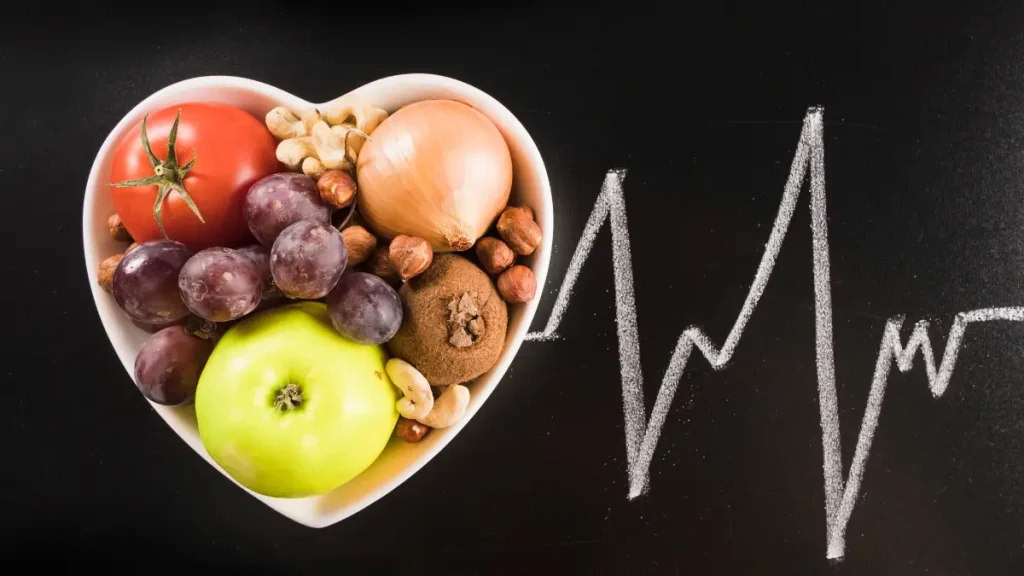
Health authorities continue to warn that high cholesterol levels remain one of the leading risk factors for heart disease and stroke in South Africa, with lifestyle and diet playing a major role in long-term outcomes. The issue affects adults across Gauteng, where cardiovascular disease remains a leading cause of hospital admissions. Medical professionals consistently point to everyday food choices as a key factor in managing cholesterol levels alongside clinical care.
Cholesterol itself is not harmful, but elevated levels of low-density lipoprotein, commonly known as LDL or “bad” cholesterol, increase the risk of blocked arteries and heart-related complications.
ALSO READ: 7 Benefits for Castor Oil: Uses, Health Advantages, and Everyday Remedies
Why Cholesterol Remains a Public Health Concern
Doctors use cholesterol levels as a standard measure of heart health. Elevated cholesterol is often linked to diets high in saturated fats, refined carbohydrates, and ultra-processed foods.
According to health experts, commonly associated foods include:
- Fried foods
- Processed meats such as bacon and sausage
- Fast food and takeaways
- Packaged snacks are high in trans fats and added sugars
At the same time, research consistently shows that certain foods can help lower LDL cholesterol when consumed regularly as part of a balanced diet.
How Food Influences Cholesterol Levels
Cholesterol levels are influenced by how the body processes fats, fibre and inflammation. Foods rich in soluble fibre, healthy fats, and antioxidants play a role in reducing LDL cholesterol and supporting cardiovascular health.
Medical professionals emphasise that food choices do not replace medical treatment but can support overall risk reduction.
1. Oats and Whole Grains
Oats, barley and brown rice contain soluble fibre, which binds to cholesterol in the digestive system and helps remove it from the body.
Common whole-grain options include:
- Oatmeal
- Whole-grain bread
- Brown rice
- Barley
Studies consistently show that regular intake of whole grains can reduce LDL cholesterol over time.
2. Fish Rich in Omega-3 Fatty Acids
Fatty fish such as salmon, sardines, mackerel and trout contain omega-3 fatty acids, which help lower triglycerides and reduce inflammation linked to heart disease.
Health guidelines generally recommend:
- Two servings of fatty fish per week
Omega-3s do not directly lower LDL cholesterol but improve overall heart health markers.
3. Nuts
Almonds, walnuts, pistachios and similar nuts contain unsaturated fats, fibre and plant sterols.
Research shows that moderate nut consumption can:
- Lower LDL cholesterol
- Improve blood vessel function
Portion control remains important due to their high calorie content.
4. Avocados
Avocados are rich in monounsaturated fats, which help reduce LDL cholesterol while supporting levels of high-density lipoprotein, or HDL, often referred to as “good” cholesterol.
They also provide fibre, potassium and antioxidants, contributing to broader cardiovascular benefits.
5. Beans and Legumes
Beans, lentils, chickpeas and peas are plant-based protein sources high in soluble fibre.
These foods are linked to:
- Reduced LDL cholesterol
- Improved blood sugar control
- Lower overall cardiovascular risk
They are widely used in soups, stews and meat-free meals.
6. Leafy Green Vegetables
Vegetables such as spinach, kale, broccoli and Brussels sprouts contain fibre and antioxidants that support heart health.
They also contain compounds that help prevent cholesterol from being absorbed into the bloodstream.
7. Fruits
Fruits including apples, berries, citrus fruits and pears are high in fibre and antioxidants.
Soluble fibre found in many fruits helps reduce LDL cholesterol, while antioxidants support blood vessel health.
8. Olive Oil
Extra-virgin olive oil contains monounsaturated fats and antioxidants that help lower LDL cholesterol while maintaining HDL cholesterol.
It is commonly used as a substitute for butter or margarine and forms part of dietary patterns associated with lower heart disease risk.
9. Soy-Based Foods
Soy products such as tofu, tempeh and soy milk contain plant proteins that have been shown to modestly reduce LDL cholesterol when consumed regularly.
Soy foods are often used as alternatives to animal-based proteins.
10. Dark Chocolate
Dark chocolate with a cocoa content of at least 70 percent contains flavonoids, which have antioxidant and anti-inflammatory effects.
Studies suggest moderate consumption may help lower LDL cholesterol, although portion size remains important.
What This Means for Gauteng Residents
For Gauteng residents, where heart disease remains a major health burden, understanding how everyday food choices influence cholesterol levels is critical. Access to affordable, fibre-rich foods and healthier fat sources can play a role in reducing long-term cardiovascular risk, particularly in communities facing high rates of diet-related illness.
Public health experts stress that dietary changes work best alongside medical monitoring and broader lifestyle measures.
Cholesterol and Lifestyle Factors
Health professionals note that food is only one part of cholesterol management. Other contributing factors include:
- Physical activity levels
- Smoking
- Stress
- Genetics
Routine cholesterol testing remains important, especially for adults over 40 or those with a family history of heart disease.
FAQ: Cholesterol and Diet
What is LDL cholesterol?
LDL is often called “bad” cholesterol because high levels increase the risk of blocked arteries.
Can food alone lower high cholesterol?
Food can help lower cholesterol but does not replace medical treatment where needed.
How long does it take to see changes?
Dietary changes may affect cholesterol levels within several weeks to months.
Is all fat bad for cholesterol?
No. Unsaturated fats can support healthier cholesterol levels.
Should people with high cholesterol avoid all animal products?
Not necessarily. Balance and portion control are key.
What Happens Next
Health authorities continue to encourage regular cholesterol screening and greater public awareness around diet-related heart disease risks. No changes to national dietary guidelines have been announced, but medical professionals continue to emphasise the role of balanced eating patterns in long-term heart health.
Residents concerned about cholesterol levels are advised to consult healthcare providers for testing and personalised guidance.