



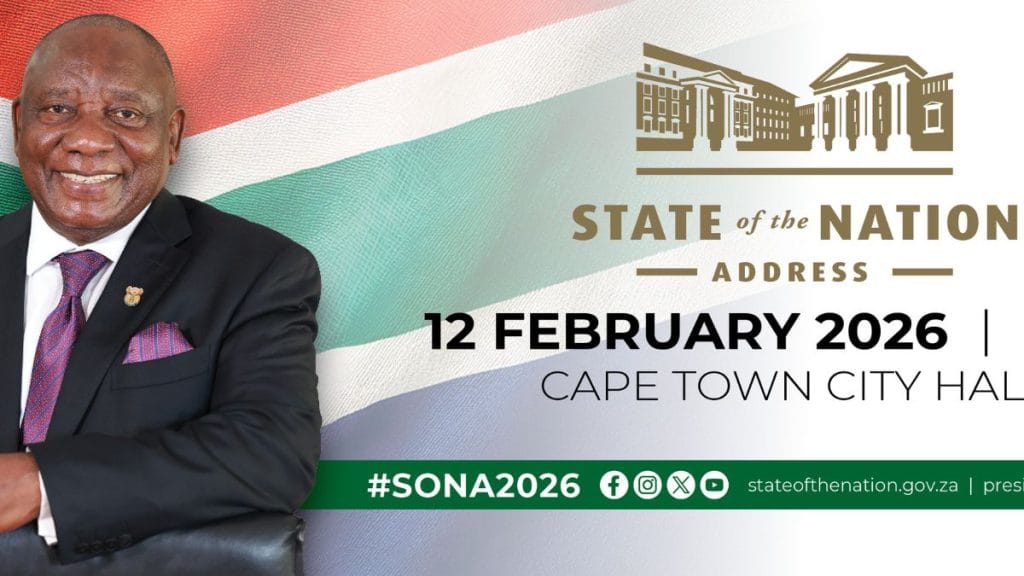
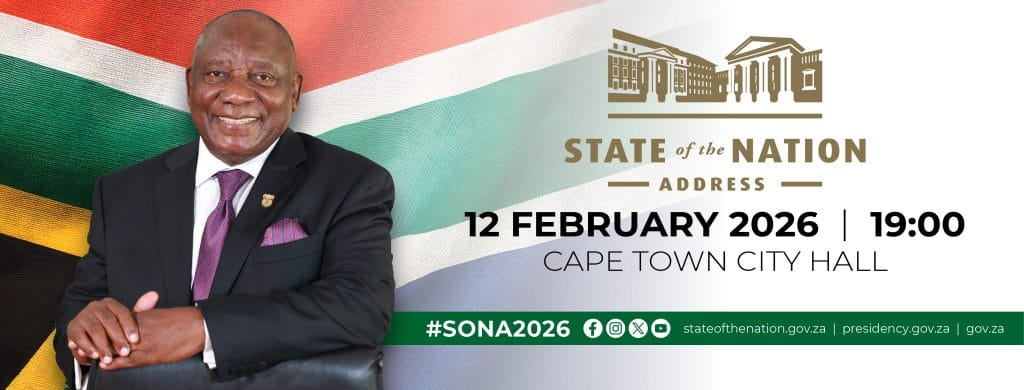
The State of the Nation Address (SONA) is one of the most important events in South Africa’s political calendar. For everyday South Africans, especially those from low-income households, the SONA sets the stage for the government’s plans in the year ahead. But how exactly does SONA 2026 affect you?
In this article, we’ll break down the key priorities the President is expected to announce and explain how these decisions could directly impact your daily life, focusing on practical issues like jobs, social grants, housing, and the cost of living.
What is SONA 2026?
The State of the Nation Address (SONA) is an annual speech given by the President of South Africa. It’s a chance for the President to tell the country what the government has achieved over the past year and what its priorities will be moving forward. For ordinary South Africans, it’s an opportunity to understand what the government plans to do to tackle issues that affect their daily lives—such as jobs, housing, food prices, and public services.
ALSO READ: Gauteng Human Settlements Launches Thuto Residence for Students
SONA 2026 will likely focus on ongoing challenges like unemployment, electricity shortages, and the rising cost of living. But it will also offer a glimpse into the government’s plans for improving conditions in communities across the country. Let’s break down what to expect in clear, practical terms.
Jobs: What SONA 2026 Means for Employment Opportunities
One of the most pressing issues for many South Africans is unemployment, especially among the youth. As of 2026, more than 30% of South Africans are unemployed, with young people hit the hardest. The President is expected to highlight government efforts to create job opportunities, particularly in sectors like construction, agriculture, and technology.
What this means for you: If you’re looking for work, pay attention to announcements about skills development programs, apprenticeships, and government-led job creation projects. The government may also announce measures to support small businesses, which are key to providing jobs in local communities. This could be good news for those seeking opportunities in informal or self-employment sectors.
Example: The government might announce new programs to train young people in technical skills like plumbing or electrical work—skills that are in high demand. If you’re an aspiring entrepreneur, you could see new support for small businesses through grants or loans.
Social Grants: What You Can Expect for Support
For millions of South Africans, social grants are a lifeline. In 2026, there’s a strong possibility that the government will adjust social grant amounts or introduce new grant programs to help those struggling to meet basic needs. While the government has consistently increased the Child Support Grant and Old Age Pension, many are hoping for greater support for unemployed adults and those facing chronic economic hardship.
What this means for you: If you rely on grants like the Child Support Grant, Old Age Pension, or the Disability Grant, pay close attention to any announcements about grant increases or eligibility changes. These changes could help to ease some of the financial pressure faced by low-income households.
Example: The President might announce an increase in the Child Support Grant to keep up with the rising cost of living. This could help parents with young children pay for essential items like food and clothing.
Electricity and Energy: Will Power Cuts End?
With rolling blackouts becoming a regular occurrence, access to reliable electricity remains a top concern. In SONA 2026, the President is expected to address South Africa’s energy crisis and outline plans for reducing power cuts. This may include introducing more renewable energy solutions and investing in the reliability of the national grid.
What this means for you: If you’re struggling with frequent power outages that affect your ability to cook, work, or stay warm, the President’s speech may include measures to ease these disruptions. Look out for potential plans to bring more electricity from solar, wind, or hydropower sources to provide consistent energy access, especially in underserved communities.
Example: The government may roll out community solar projects to help provide free or subsidised electricity to low-income areas, helping you save money on your monthly electricity bills.
Housing: Affordable Housing in South Africa
Affordable housing has long been a critical issue, with many South Africans struggling to find decent homes they can afford. In SONA 2026, the President is expected to discuss housing delivery—including both affordable rental housing and low-cost homes for sale. The government may also make announcements about land reform to give people more access to affordable property.
What this means for you: If you’re living in informal settlements or renting in crowded areas, SONA could bring hope for new housing projects in your community. The government may pledge more investment in building affordable housing for low-income families.
Example: You could hear about new government-subsidised housing projects being launched in your area, helping you access a safe and affordable home without the burden of sky-high rent.
Cost of Living: How Will Prices Be Affected?
The cost of basic goods, from food to transport, is a constant challenge for many South African families. In SONA 2026, the President is expected to acknowledge the pressure of rising prices and may announce initiatives to help reduce the cost of living. This could include tax relief, subsidies on basic goods, or efforts to curb inflation in key sectors.
What this means for you: If you’re struggling to make ends meet due to high food prices or expensive transport, keep an eye out for announcements on subsidised public transport, food security programs, or initiatives to support small-scale farmers. These efforts could lower the cost of living for households across South Africa.
Example: The government might introduce a transport subsidy to help workers who rely on taxis or buses, making it easier and more affordable to get to work.
Basic Services: Water, Sanitation, and Transport
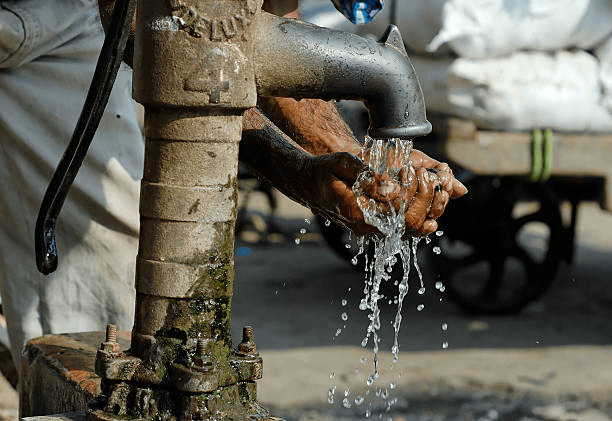
Finally, many South Africans face daily struggles to access basic services like clean water, reliable sanitation, and safe transport. The government is likely to focus on improving these essential services, especially in rural and underserved urban areas.
What this means for you: If you’re living in a community where water shortages or poor sanitation are common, you may see announcements about infrastructure investments to improve these services. Similarly, government initiatives could focus on public transport improvements, including better roads and access to affordable taxis.
Example: The government might announce the expansion of clean water networks in rural areas, ensuring families no longer have to struggle with daily water collection.
ALSO READ: Book Your Home Affairs Appointment Online – Fast, Easy & Hassle-Free!
What SONA 2026 Means for Ordinary South Africans
SONA 2026 is a critical moment for South Africa, especially for households that rely on government grants, face high living costs, or struggle with unreliable services. The President’s speech will provide a roadmap for tackling these challenges, focusing on job creation, housing, energy security, and reducing the cost of living. As low-income South Africans, it’s important to stay informed about these announcements, as they could directly affect your ability to make ends meet. Keep an ear out for promises that could improve your access to basic services, create more job opportunities, and reduce the financial pressures many of you face daily.
As we wait for SONA 2026, stay hopeful and engaged—because these decisions matter to all of us, and together, we can hold the government accountable to its promises.