





Managing a stokvel effectively requires understanding every rand that goes in and out. This Stokvel Bank Statement Guide explains how to read your group’s bank statement, identify key charges, and track fees. Transparent financial practices help stokvels in South Africa grow savings and reduce losses.
What Is a Stokvel Bank Statement?
A bank statement is a detailed record of all transactions in your stokvel’s account. It shows deposits, withdrawals, interest, and charges over a specific period, usually monthly. Reviewing this document regularly ensures accountability, financial accuracy, and group trust.
Why Bank Statements Matter for Stokvels

Bank statements provide proof of contributions and withdrawals. They help members:
- Track payments from each member
- Verify withdrawals and expenses
- Spot incorrect or unauthorised charges
- Monitor savings growth over time
This transparency is essential for building financial discipline and group confidence.
ALSO READ: Yes, It’s True! You Can Apply for Your SASSA Social Grant Online in 2026
How to Read a Stokvel Bank Statement
Start by identifying the following:
- Account information: Name, number, and bank
- Statement period: Start and end date
- Opening balance: Amount at the beginning
- Closing balance: Final amount after all transactions
- Credits: Deposits, transfers, or interest earned
- Debits: Withdrawals, bank charges, and service fees
Each line will include a date, description, and amount. Always cross-check against your stokvel’s records.
Stokvel Bank Fees: What to Expect
Different banks charge differently for stokvel accounts. Here’s what you may find:
- Monthly account fees
- ATM withdrawal fees
- Electronic Funds Transfer (EFT) charges
- Deposit fees (cash or cheque)
- SMS notification or balance enquiry fees
These charges reduce the total money saved. Knowing what to expect helps your stokvel budget better.
Fee Examples from Major SA Banks
Here are some examples from banks that offer stokvel-friendly accounts:
Nedbank Stokvel Account
- No monthly maintenance fee
- Free deposits and limited withdrawals
- Optional funeral cover (from R15/month per member)
- Read more
FNB Stokvel Account
- No monthly account fee
- Transaction fees may apply for EFTs or withdrawals
- Access to interest on balances
- View official rules
Standard Bank Society Scheme Account
- Low monthly fees depending on usage
- Free cash deposits under a threshold
- Interest-earning options available
- Bank fee structure
How to Identify Fees on a Statement
Fees typically appear as small debits with codes or descriptions such as:
- “Monthly Service Fee”
- “ATM Withdrawal Fee”
- “EFT Charge”
- “Balance Enquiry Fee”
To avoid confusion, educate all members about fee labels. Print and review statements together at meetings.
Minimise Charges: Practical Tips
Your stokvel can lower fees with the following strategies:
- Limit cash withdrawals
- Deposit money electronically
- Choose a fee-free or low-cost account
- Set transaction limits per month
- Use online banking instead of SMS alerts
Banks like Nedbank and FNB offer tailored stokvel products designed to reduce administrative costs.
Interest: How Your Stokvel Can Earn More
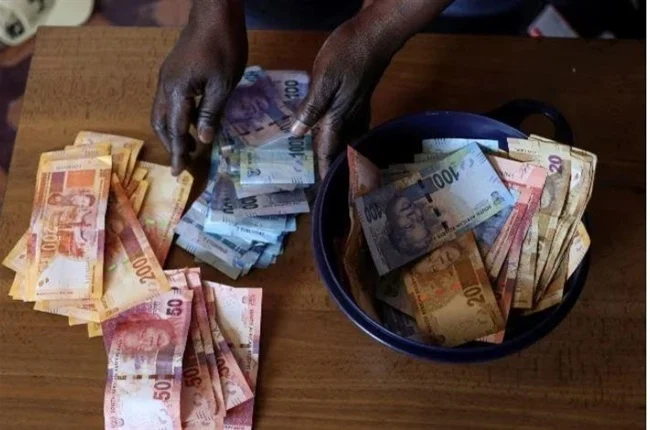
Some stokvel accounts offer interest on positive balances. This can help grow your savings over time.
Tips to earn more:
- Keep funds in the account longer
- Avoid unnecessary withdrawals
- Choose an account with a good interest rate
Ask your bank for the latest interest earnings chart. For example, accounts with over R10,000 balances often qualify for higher rates.
Tax Responsibilities for Stokvel Interest
Interest earned may be taxable. According to SARS, stokvels must declare earnings if they exceed R23,800 (for individuals under 65).
Each member must report their portion. Keep statements as proof. For guidance, visit SARS – Tax on Interest.
Recordkeeping: Match Internal Logs with Bank Statements
Your stokvel should keep a record book or digital log:
- Track member deposits
- List approved expenses
- Compare with bank statement monthly
This reduces the risk of fraud, especially for larger groups. Rotate responsibilities among members to ensure fairness.
Stokvel Bank Statement Guide: Red Flags to Watch
When reviewing statements, watch for:
- Duplicate withdrawals
- Fees for unknown services
- Cash deposits not matching member contributions
- Declining balances without explanations
Report suspicious activity immediately to the bank. Early action helps prevent financial loss.
Frequently Asked Questions (FAQs)
Can a stokvel operate without a bank account?
Yes, but using a bank improves transparency, safety, and interest growth.
What happens if a fee was charged in error?
Contact your bank and request a dispute. Keep documentation for follow-up.
How often should we review our bank statement?
Monthly reviews are ideal. Do it during official stokvel meetings.
Can a stokvel earn interest?
Yes. Choose accounts that offer interest based on balance size and duration.
What if a member disputes a transaction?
Refer to the minutes, the statement, and the contribution records. Resolve disputes with transparency.
Smart Banking for Stronger Stokvels
Reading and understanding a bank statement is crucial for every stokvel. It improves accountability, reduces financial risks, and helps the group save more. By following this Stokvel Bank Statement Guide, your group can make informed decisions and grow your savings safely.
For more information, contact your bank’s branch consultant or financial education unit. Many banks in South Africa now offer stokvel support services and workshops.