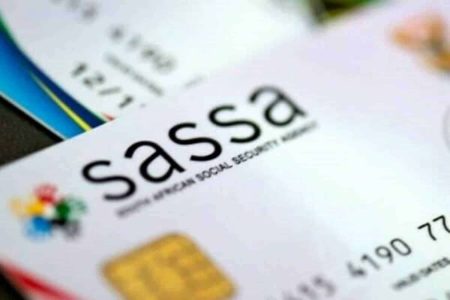




SASSA grant payment days remain a critical moment for millions of South Africans who rely on monthly support to cover basic household needs. As discount-driven retail events such as Black Friday overlap with grant payment cycles, beneficiaries face increased pressure to stretch limited funds while navigating aggressive in-store promotions. For grant recipients in Gauteng, where food prices and transport costs remain high, spending decisions made on payment day often determine household stability for the rest of the month.
Consumer bodies and social development analysts warn that while retail discounts can lower costs on essentials, they can also increase the risk of early grant depletion if spending is not focused on core needs.
ALSO READ: Why Is My SASSA SRD Grant Still Pending? Key Reasons, Solutions, and What to Expect in 2026
Why Grant Payment Day Spending Matters
Grant income is fixed and predictable, but monthly expenses are not. Rising food prices, electricity costs, school-related expenses, and transport continue to strain household budgets across Gauteng.
According to social welfare researchers, grant recipients typically prioritise food, hygiene items, and basic household supplies immediately after payment to avoid shortages later in the month. Retail sales events occurring during this window can influence purchasing behaviour, sometimes shifting spending away from essentials.
This makes payment day one of the most financially sensitive periods for grant-dependent households.
Essential Items Most Commonly Prioritised First
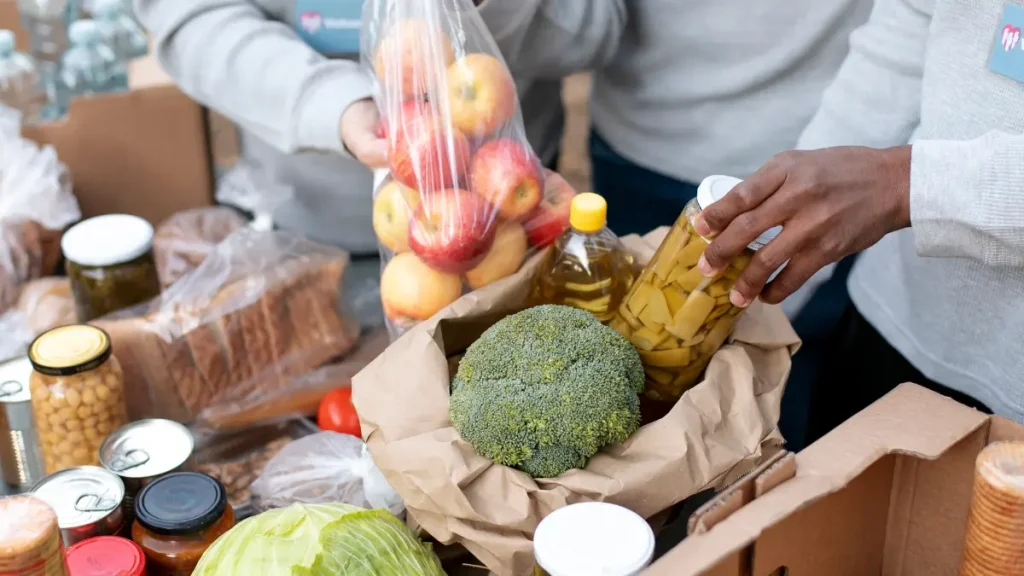
Based on consumer spending patterns observed at grant-friendly retailers, the following categories are most frequently prioritised by beneficiaries on payment day.
1. Staple Foods
Staples form the foundation of most household food baskets. These items are filling, affordable in bulk, and support consistent meal preparation.
Common staples include:
- Maize meal
- Rice
- Dry beans and lentils
- Flour
These items are typically purchased first because they stretch across multiple meals.
2. Cooking Oil and Basic Ingredients
Cooking oil, salt, sugar, and stock cubes are core ingredients that enable meal preparation throughout the month.
Price increases in cooking oil have made this category a priority purchase when funds become available.
3. Protein Sources
Grant recipients often prioritise affordable protein options such as:
- Frozen chicken portions
- Tinned fish
- Eggs
Protein purchases are usually planned carefully due to cost sensitivity.
4. Fresh Produce
Fresh vegetables are commonly bought early in the month when funds are available, including:
- Onions
- Potatoes
- Cabbage
- Tomatoes
These items support nutritional balance but are often adjusted based on price fluctuations.
5. Bread and Breakfast Items
Bread, oats, and breakfast cereals are frequently purchased on payment day to ensure daily meal coverage, particularly in households with children.
6. Toiletries and Hygiene Products
Basic hygiene items are prioritised alongside food, including:
- Soap
- Toothpaste
- Sanitary products
These items are essential for dignity and health and are often purchased in bulk when possible.
7. Cleaning Supplies
Household cleaning products such as washing powder, dishwashing liquid, and disinfectants are often included in first-day purchases to avoid mid-month shortages.
8. School Related Supplies
Where applicable, grant recipients may prioritise school needs such as:
- Lunchbox items
- Stationery
- School socks or basic clothing
This is more common in households with school-going children.
9. Electricity and Transport Allocation
While not a physical purchase, many beneficiaries mentally allocate part of their grant toward prepaid electricity or transport costs immediately after payment.
This allocation often determines how much remains for retail spending.
10. Emergency Essentials
Some households reserve funds for unforeseen needs such as medical expenses, baby supplies, or unexpected transport requirements.
These funds are often protected early to prevent financial shocks later in the month.
Retail Promotions and Grant Spending Patterns
Consumer analysts note that major retail promotions can influence purchasing behaviour on grant payment days. While discounts on staple goods may offer genuine savings, promotional pressure can also shift attention toward non-essential items.
The overlap between grant payments and sales events has raised concerns about misinformation, particularly when retailer campaigns are misunderstood as official grant increases.
The South African Social Security Agency has repeatedly clarified that grant amounts are determined by government policy and are not affected by retailer promotions.
What This Means for Gauteng Residents
For Gauteng residents relying on SASSA grants, payment day decisions remain closely tied to food security and household stability. Urban living costs, transport dependence, and higher food prices mean grant income is often exhausted earlier in the month than in other provinces.
Retail promotions can provide limited relief when aligned with essential needs, but the pressure to spend quickly remains a risk factor for financial stress later in the month.
Frequently Asked Questions
Does Black Friday increase SASSA grant payments?
No. Grant amounts are set by the government and do not change due to retail promotions.
Are grant payments restricted to certain stores?
SASSA grants can be used at retailers that accept SASSA-linked cards.
Why do beneficiaries shop immediately on payment day?
Early purchases help secure essential items before funds are allocated elsewhere.
Can grants be used for non-food items?
Yes, but essential household needs are typically prioritised.
Does SASSA control how grant money is spent?
No. Spending decisions are made by recipients.
What Happens Next
Grant payment cycles and retail pricing patterns continue to shape household spending behaviour across Gauteng. As food and living costs remain elevated, consumer organisations and social development experts are expected to continue monitoring the impact of retail promotions on grant-dependent households.
Any changes to grant values or payment structures would be communicated through official government channels.