




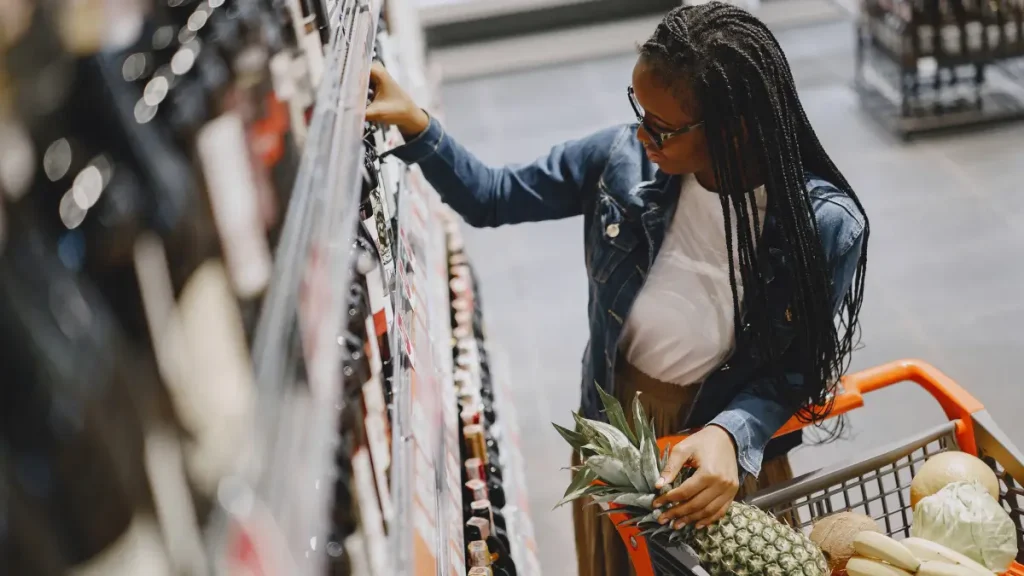
Gauteng households are facing sustained food price pressure in 2026, with grocery bills continuing to rise despite smaller basket sizes. Rising fuel costs, electricity increases, and supply chain pressures have contributed to steady food inflation, affecting both lower-income families and middle-income earners. As a result, consumers across the province are changing how they plan, shop for groceries, and store food to control spending.
Financial analysts say grocery spending is one of the most flexible parts of a household budget, making it a primary area for cost-cutting strategies.
ALSO READ: Complete List of Bills You Can Pay at Shoprite
Why Grocery Bills Keep Increasing
Before cutting items, experts say it is important to understand what is driving higher grocery costs.
Common contributors include:
• Shopping without a structured list
• Multiple shorter trips per week
• Buying pre-prepared convenience foods
• Wasted produce and expired dairy
• Impulse purchases influenced by in-store promotions
• Increased reliance on takeaway meals
Consumer spending data shows that frequent, unplanned shopping trips significantly increase overall grocery expenditure.
Plan First, Shop Second
Financial planners consistently identify structured meal planning as one of the most effective ways to reduce costs of groceries
A practical approach includes:
• Planning meals for three to seven days
• Checking pantry and fridge stock before shopping
• Creating one organised list
• Doing one main shop per week
According to consumer budgeting specialists, structure reduces impulse buying more effectively than simply chasing discounts.
Use Digital Tools Strategically
In 2026, many Gauteng consumers are using retailer apps and price comparison tools to track specials before shopping.
Smart digital habits include:
• Comparing weekly specials across stores
• Using loyalty programme apps
• Tracking digital coupons
• Monitoring clearance racks
Retail analysts say that price comparison is particularly effective when combined with meal planning rather than random deal hunting.
Buy in Bulk — But Only With a Plan
Bulk buying can reduce per-unit costs, but experts warn it only works if the food is actually used.
Best bulk-buy categories include:
• Non-perishable staples such as rice, oats, lentils, and beans
• Frozen vegetables
• Meat portions divided and frozen
• Household basics with long shelf lives
However, purchasing large quantities without storage planning can increase food waste, which eliminates savings.
Choose Store Brands Over Premium Labels
Private label products continue to grow in popularity in South Africa. Retail industry data shows that store-brand items are often priced significantly lower than branded alternatives while offering similar quality.
Common savings categories include:
• Canned goods
• Breakfast cereals
• Frozen vegetables
• Pantry staples
• Cleaning products
Savings typically range between 10 percent and 30 percent, depending on product category.
Reduce Food Waste at Home
Studies show that food waste remains one of the biggest hidden household expenses.
Simple waste-reduction habits include:
• Planning “use it up” meals weekly
• Rotating fridge contents
• Freezing leftovers intentionally
• Cooking once and eating twice
Flexible meals such as soups, stir-fries, omelettes and grain bowls are effective for using vegetables close to expiry.
Shop Less Frequently
Budgeting experts recommend limiting grocery trips to once a week, with only minor top-ups if necessary.
Multiple short trips often lead to:
• Unplanned purchases
• Higher fuel costs
• Greater snack spending
• Increased exposure to impulse deals
Reducing store visits can significantly lower overall monthly spending.
Embrace Simple Meal Repetition
Consumers often assume variety requires complexity. However, repeating structured meal patterns reduces both cost and mental fatigue.
Strategies include:
• Rotating two breakfast options
• Preparing repeat lunches
• Using similar ingredients across multiple dinners
This reduces the need for specialty ingredients that are used once and forgotten.
Loyalty Programmes and Rewards
Major South African retailers offer loyalty programmes that provide cashback, points, or discounts.
Maximising these programmes requires:
• Consistent use of the same card or app
• Monitoring personalised deals
• Timing purchases with rewards cycles
Financial planners caution that loyalty benefits only work if shoppers avoid buying unnecessary items solely to earn points.
Shop Your Pantry Weeks
Many households now adopt a “shop your pantry” week once a month, where no major grocery shopping is done.
This strategy:
• Forces the use of stored items
• Reduces food waste
• Identifies over-purchased categories
• Resets spending habits
Consumers report noticeable reductions in monthly grocery costs after adopting this habit.
What This Means for Gauteng Residents
For Gauteng residents, grocery savings in 2026 are less about extreme cost-cutting and more about structured planning. With electricity costs and transport expenses rising, reducing food waste and limiting impulse purchases may provide meaningful relief.
Even small behavioural changes, such as reducing one grocery trip per week or switching to store brands, can result in measurable monthly savings.
Frequently Asked Questions
Can I save money without cutting fresh produce?
Yes. Most savings come from reducing waste and avoiding impulse buys rather than eliminating fresh food.
Is meal planning really effective?
Yes. Even planning three to five dinners per week can significantly reduce unplanned spending.
Are warehouse stores always cheaper?
Not necessarily. Savings depend on whether bulk purchases are fully used before expiry.
How often should I grocery shop?
Many households report better control when limiting shopping to once per week.
Do loyalty programmes make a real difference?
They can, if used consistently and combined with planned purchases rather than spontaneous spending.
What Happens Next
Economists expect food price volatility to continue in 2026, influenced by fuel prices, electricity tariffs, and global supply chains. Consumers are likely to rely increasingly on structured shopping habits and digital comparison tools to manage grocery budgets.
As cost-of-living pressures persist, grocery planning remains one of the most accessible ways households can adjust spending without reducing overall food quality.