




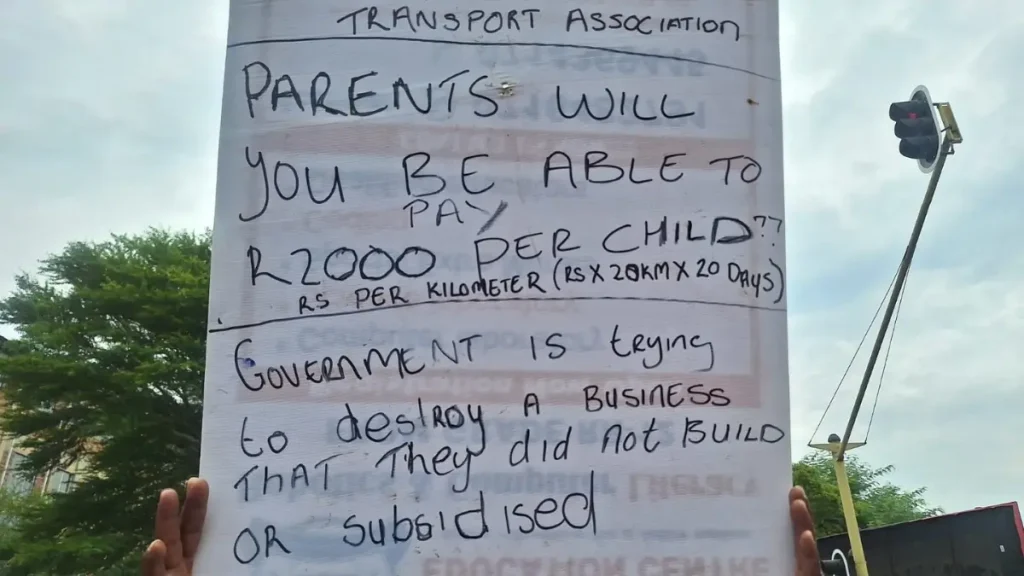
The Gauteng MEC for Transport has issued a warning to unlicensed scholar transport operators as authorities intensify compliance inspections across the province. The warning follows a meeting in Soweto between the department and taxi as well as scholar transport operators, amid ongoing vehicle impoundments and fines for non-compliance.
The development affects thousands of learners who rely on scholar transport daily, particularly in townships and peri-urban areas where public transport alternatives are limited.
According to the provincial Transport Department, enforcement operations will continue as part of broader efforts to improve safety and regulatory compliance.
ALSO READ: Johannesburg Water Crisis Continues with Broken Pipes
Meeting held in Soweto amid enforcement blitzes
The warning was delivered by Kedibone Diale-Tlabela during a stakeholder engagement in Soweto on Saturday. The meeting brought together taxi associations and scholar transport operators to address compliance, payment delays, and operational concerns.
Authorities have recently conducted impounding operations targeting vehicles operating without valid permits, roadworthiness certificates, or required documentation.
The department says the enforcement is intended to protect learners and ensure operators meet legal requirements.
Scholar transport services resume across Gauteng
The meeting comes days after scholar transport services resumed across Gauteng following a temporary suspension.
The suspension had been implemented by the Gauteng Learner Transport Organisation amid disputes over outstanding payments.
The Gauteng Small Bus Operators Council has since confirmed that operators received outstanding payments from the provincial Education Department, clearing the way for services to resume.
Learner transport services officially returned to full operation this week.
Why unlicensed operations remain a concern
Provincial transport authorities say unlicensed operations pose safety risks and undermine regulatory frameworks designed to protect schoolchildren.
Common compliance requirements for scholar transport operators include:
• Valid operating licence issued by the transport authority
• Roadworthy certification
• Proper vehicle insurance
• Compliance with passenger capacity regulations
• Driver Professional Driving Permit (PrDP)
Officials say failure to meet these standards exposes learners to unnecessary risk.
Impact of impounding and fines
Enforcement blitzes have resulted in the impounding of non-compliant vehicles and the issuing of fines.
While authorities argue that enforcement improves safety, some operators have expressed concerns about operational disruptions, particularly during peak school transport periods.
The Transport Department maintains that compliance is non-negotiable and that operators must regularise their documentation to avoid further action.
Tensions between safety and sustainability
The scholar transport sector in Gauteng operates at the intersection of public safety and economic survival.
Many operators are small business owners who rely on provincial contracts to sustain operations. Delayed payments in recent months created instability within the sector, leading to the temporary suspension of services.
With payments now reportedly settled, the focus has shifted back to compliance enforcement.
What This Means for Gauteng Residents
For Gauteng parents and guardians, the renewed compliance push signals stricter oversight of vehicles transporting schoolchildren. While enforcement may temporarily disrupt services in certain areas, the department argues that it strengthens safety standards in the long term.
Residents in townships and informal settlements, where scholar transport plays a critical role in school access, may experience heightened inspections in the coming weeks.
The situation also highlights ongoing challenges in balancing regulatory enforcement with operational realities in the small bus sector.
Role of the Education Department
Outstanding payments to operators were previously cited as a major cause of service instability.
The Education Department’s settlement of arrears has allowed services to resume, but transport authorities say compliance standards remain separate from payment issues.
Officials emphasise that, regardless of financial disputes, operators must maintain legal operating status.
Monitoring and next steps
Transport officials say compliance inspections will continue throughout the province.
The department is expected to hold additional engagements with industry bodies to address concerns raised during the Soweto meeting.
No timeline has been announced for when the enforcement blitzes will scale down.
Frequently Asked Questions
Why were scholar transport services suspended earlier this month?
Services were suspended due to disputes over outstanding payments to operators.
Have payments been resolved?
Industry bodies confirmed operators have now received outstanding payments.
Why are vehicles being impounded?
Vehicles are being impounded for operating without proper licences, roadworthiness certification, or required documentation.
Is scholar transport fully operational again?
Yes. Services have resumed across Gauteng.
Will inspections continue?
The Transport Department has indicated that compliance inspections will continue.
What happens next
The Transport Department is expected to maintain enforcement operations while engaging with taxi and scholar transport stakeholders. Authorities say compliance remains central to protecting learners and maintaining standards in the sector.
Further updates are likely as additional inspections are carried out and as provincial departments monitor the stability of scholar transport services.