

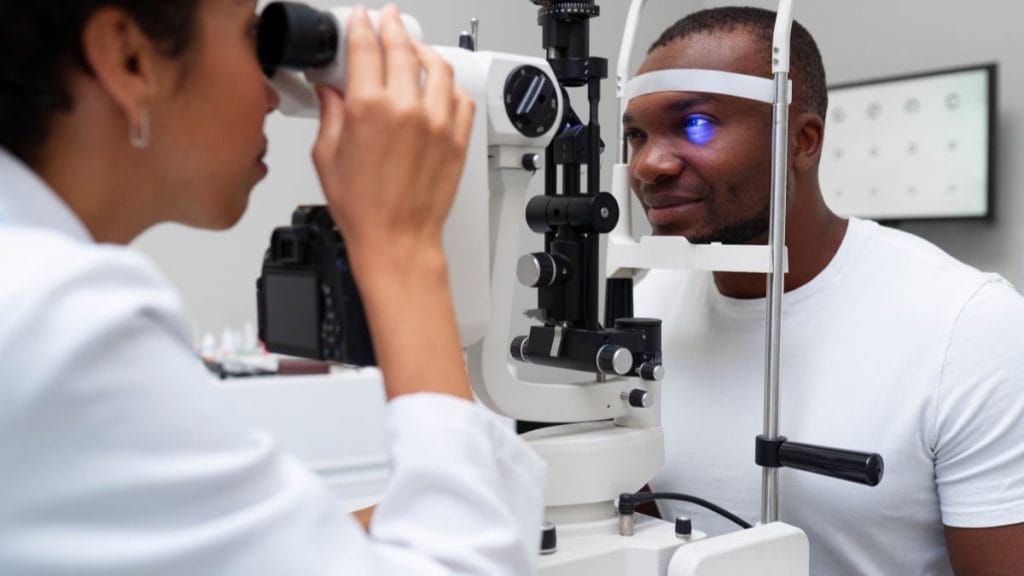
Free eye tests and glasses can make a life-changing difference for people who struggle with poor vision. Clear eyesight affects every part of daily life, from reading school books and spotting bus numbers to driving safely and working without strain. When your vision is healthy, everyday tasks become easier and safer.
However, for many South Africans, the cost of eye care is a major barrier. A private eye test can cost anywhere from around R200 to R800 or more, while glasses often cost several hundred to over a thousand rand. These expenses are out of reach for many low-income families, pensioners, unemployed people, and caregivers relying on social grants.
The good news is that cost should not stop you from protecting your eyesight. Free and subsidised eye tests and glasses are available across South Africa through government clinics, NGOs, schools, and selected private providers. This guide explains where to go, who qualifies, and how to access these services step by step.
Who Qualifies for Free Eye Tests and Glasses?
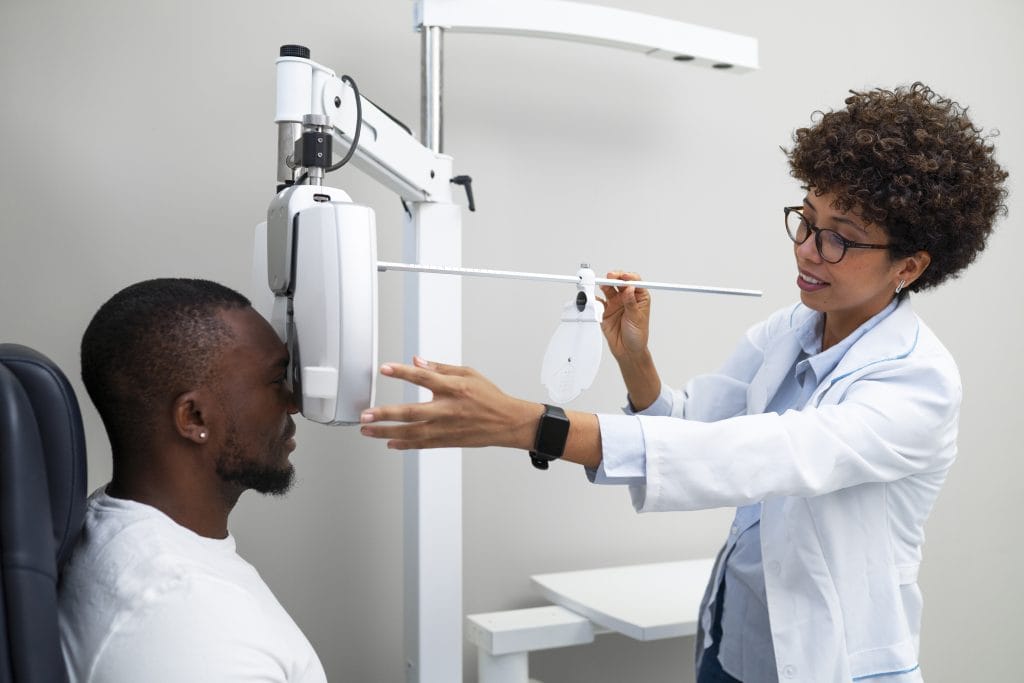
Low-Income Individuals and Families
Many programmes prioritise people with limited income. Some community outreach events specifically target residents in underserved areas.
ALSO READ: PrEP vs PEP vs ART: Key Differences Explained
Children and School Learners
Children often get priority for free screenings and glasses because good vision is essential for learning. Many NGOs and school programmes focus on learners in quintile 1–3 schools.
Pensioners and Grant Beneficiaries
Older adults, especially those living on pensions or disability grants, can often access discounted or subsidised eye care, and some retail partners offer free or reduced-cost exams for seniors.
People in Underserved or Rural Communities
Government clinics and outreach organisations run screening events in rural towns and under-resourced suburbs where optometry services are scarce.
You don’t need private medical aid to get help — just ask at community programmes, government clinics, and NGOs that work with vulnerable groups.
Government & Public Health Options
Public Hospitals and Clinics with Eye Care
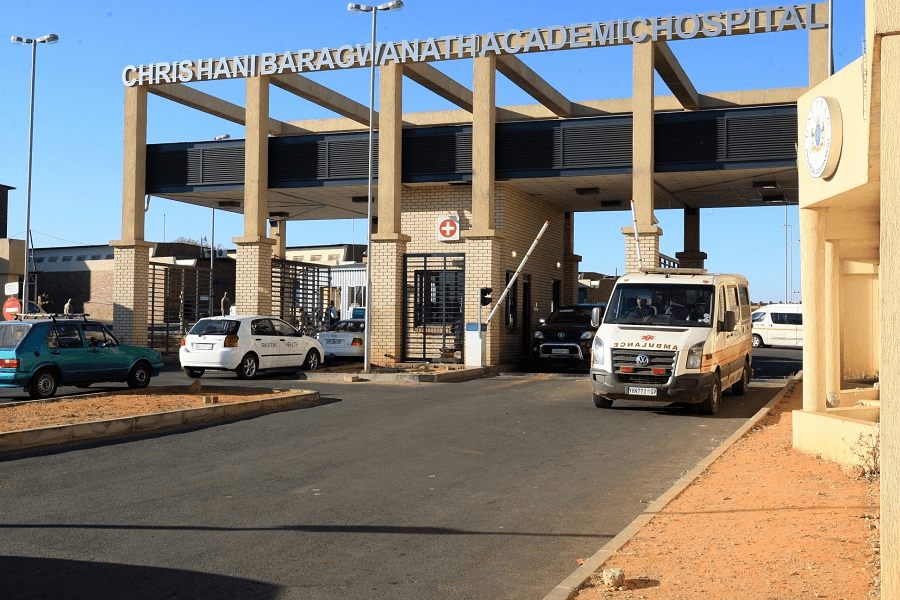
Eye care is part of the public health service. Many public hospitals and community health clinics offer eye screening and referrals at no charge or minimal cost. While not every clinic has an optometrist on site every day, large district hospitals do.
Here’s what to expect when you go to a government eye care service:
What they can do
- Vision screening
- Referrals to district optometrists or ophthalmologists
- Basic eye health checks
What they may not offer
- Full glasses and lens dispensing on-site
- Fashion or designer frames
Tips before you go:
- Bring your South African ID and clinic card.
- Arrive early — public waiting times can be long.
- Ask for a referral if the clinic can’t do a full test.
Government care is a critical first step when private options cost too much.
4. NGOs and Community Organisations Offering Free Eye Care
A number of non-governmental and non-profit organisations in South Africa work to make eye care accessible to people who need it most:
Lens of Hope South Africa
This South African NGO collects donated frames and partners with sponsors and optometrists to offer eye tests, lenses, and glasses to people who cannot afford them.
How it works
- Donation and collection of frames
- Partner optometrists provide refraction and fitting
- Glasses provided at low or no cost
Ideal for low-income individuals and families seeking support.
ALSO READ: 7 Benefits for Castor Oil: Uses, Health Advantages, and Everyday Remedies
African Eye Institute & One School at a Time
The African Eye Institute runs school vision programmes that conduct vision screening, dispense spectacles, and refer more complex cases for further care.
Good to know
- Focuses on learners in disadvantaged communities.
- Thousands of children have benefited.
The Eiohn Hayes Eyecare Outreach Program
This organisation runs clinic days where eye tests and free spectacles are provided, often in partnership with local health services. Scholarships and surgeries may also be part of outreach projects.
Bona Bolo Eye Care Project
Bona Bolo conducts vision screening at quintile 1 and 2 primary schools and refers learners for full eye exams, then provides spectacles at low cost to children who need them.
VisionBox Foundation
The VisionBox Foundation works with local optometrists to improve access, providing free eye exams and glasses to people who would otherwise not be able to afford them.
Other Community Eye Care Partners
St John Ambulance runs Eye Care Centres nationwide, offering optometric services at reduced fees — and sometimes free eye tests during promotions.
Locations include:
- Soweto (Chris Hani Baragwanath)
- Braamfontein
- Durban
- Cape Town
- East London
- Bloemfontein
- Somerset West
- Gqeberha
(Call ahead before visiting.)
Free Eye Tests and Glasses for Children
Children’s vision is crucial for learning, and many programmes are built just for kids.
School-Based Programmes
- NGOs like African Eye Institute / One School at a Time and Bona Bolo visit schools to screen learners and provide glasses if needed.
- Teachers can refer learners showing signs of vision difficulty to these programmes.
Tip for parents: Ask your school principal or district office if a vision screening day is coming up — they often happen annually.
Retail & NGO Partnerships
Some optometry retailers team up with NGOs or community groups to support free child eye tests and glasses campaigns — especially around national health days or school terms.
Retail & Private Sector Free or Subsidised Programmes
While not always free, some private services offer free screenings or discounted exams that help reduce costs.
Specsavers South Africa
Offers a free basic vision screening — a quick check to see if you need a full test.
Note: This is not a full prescription exam but a useful first step.
Torga Optical
Provides free visual screenings at participating branches. These give you an indication of your vision health and whether you need a full eye test.
Vision Works — Kids See Free
Many Vision Works stores have a Kids See Free initiative that offers free eye tests, frames, and lenses for eligible children under certain promotional terms.
Note on Affordable Eye Tests
Even when services aren’t fully free, discounted eye tests (e.g., cheap exams or bundled savings) are still useful for people without medical aid. Always ask about senior discounts, student rates, or special offers.
What’s Usually Included — and What’s Not
Understanding what services cover helps you plan.
Included in Free/Low-Cost Programmes
- Vision screening (quick check)
- Comprehensive eye test (refraction exams)
- Prescription glasses (basic lenses)
- Basic frames
Often Not Included
- Designer or premium frames and lenses
- Contact lens fittings
- Advanced diagnostics (e.g., for glaucoma)
- Surgery (unless part of a special outreach)
Important: Free screenings may not include a full prescription. Always confirm before you visit.
Tips for Accessing These Services Successfully
Here are practical steps to make your visit smooth:
Book Ahead or Go Early
- Outreach days fill up fast.
- Government clinics often operate on a first-come, first-served basis.
Bring Required Documents
- Your SA ID
- Clinic or referral letters (if applicable)
- Proof of income if asked
Stay Updated
Follow NGOs and local clinics on social media for upcoming eye-testing events and free services.
Avoid Scams
Never pay upfront for “guaranteed free glasses.” Always check with known organisations, clinics, or NGOs with a track record.
FAQ — Quick Answers
Are free eye tests available everywhere in South Africa?
Availability varies by region. Many NGOs focus on underserved areas, but even urban centres like Johannesburg, Durban, Cape Town, and Bloemfontein offer free or subsidised screenings through organisations and clinics.
Do free programmes include glasses?
Some do — especially for children and low-income individuals through NGOs. For others, glasses may be subsidised or available at low cost.
How often should I get an eye test?
Ideally, every 1–2 years — more often if you already wear glasses or notice vision changes.
Your vision matters, and you don’t have to wait or struggle alone. Whether it’s for you, your children, your parents, or your neighbour, free eye tests and glasses are accessible in South Africa