



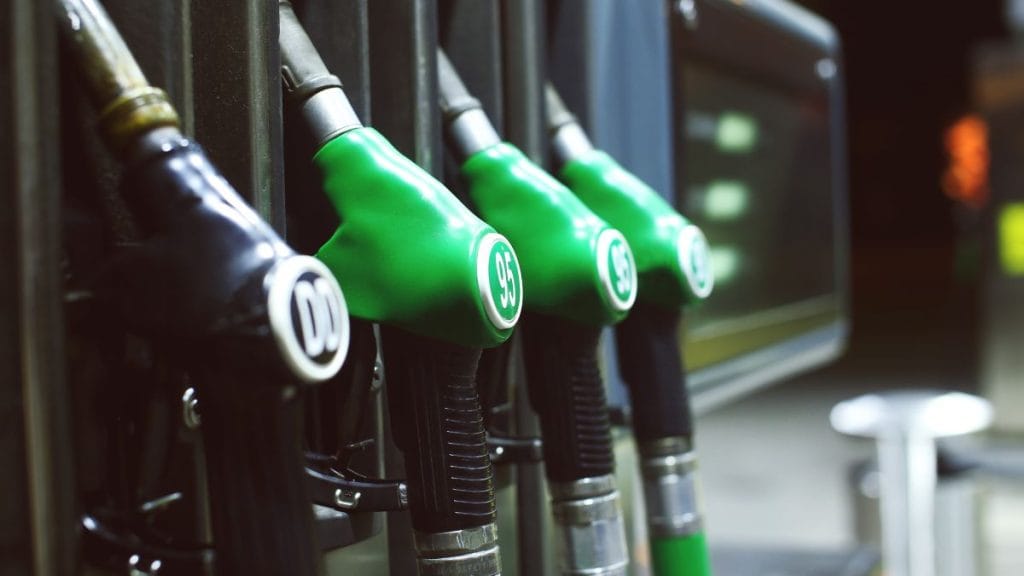
The South Africa Fuel Price Hike takes effect this Wednesday, with motorists set to pay more for petrol, diesel, and paraffin. The Department of Mineral Resources and Energy (DMRE) confirmed the latest adjustments, citing rising global oil prices and geopolitical tensions.
Below is a clear breakdown of the New Petrol & Diesel Prices, why they are increasing, and what it means for Gauteng drivers.
New Petrol & Diesel Prices from Wednesday
The latest fuel price adjustments will impact all grades of petrol and diesel nationwide.
Petrol Price Increases
Both grades of petrol will rise by 20 cents per litre:
- 93 Unleaded Petrol: +20c per litre
- 95 Unleaded Petrol: +20c per litre
- Lead Replacement Petrol (LRP): +20c per litre
Although the increase appears moderate, it will still add pressure to household budgets.
Diesel Price Increases
Diesel users will face steeper hikes:
- 0.05% sulphur diesel: +62c per litre
- 0.005% sulphur diesel: +65c per litre
Freight operators and public transport providers will feel the impact immediately. As a result, transport costs may rise in the coming weeks.
ALSO READ: Gauteng Load Reduction Schedule: March 2026
Illuminating Paraffin and LPGas
Low-income households using paraffin will also pay more:
- Illuminating paraffin (wholesale): +44c per litre
- Maximum national retail price: +58c per litre
LPGas prices will increase by 23 cents per kilogram nationally.
In the Western Cape, the Maximum Retail Price will rise to R33.84 per kilogram, according to DMRE spokesperson Robert Maake.
Why the South Africa Fuel Price Hike Is Happening
South Africa adjusts fuel prices monthly. The calculation reflects global and local economic factors. This month, several pressures pushed prices higher.
Rising Brent Crude Oil Prices
The average Brent Crude oil price climbed from $64.08 to $69.08 per barrel during the review period.
According to the DMRE, higher shipping costs and geopolitical instability contributed to the surge. Tensions between the United States and Iran raised concerns about potential supply disruptions in the Strait of Hormuz.
This corridor handles a significant share of global oil shipments. Any threat to supply drives prices up quickly.
You can read more about the fuel pricing structure on the official DMRE website:
👉 https://www.dmre.gov.za
Higher International Product Prices
International petroleum product prices followed crude oil trends. Consequently:
- Petrol’s Basic Fuel Price (BFP) increased by 37.53c per litre
- Diesel’s BFP increased by 81.36c per litre
- Illuminating paraffin’s BFP increased by 63.81c per litre
These increases directly influenced the final pump price.
The Role of the Rand
The rand strengthened slightly against the US dollar during the review period. It moved from R16.31 to R16.00 per dollar.
Normally, a stronger rand helps offset fuel price increases. However, the DMRE noted that the currency movement still contributed to higher costs in rand terms due to pricing formula adjustments.
The currency shift added:
- 16.96c per litre to petrol
- 19.20c per litre to diesel
- 19.21c per litre to paraffin
Although the rand provided some relief, it did not prevent the hike.
Slate Levy Remains at Zero
One positive development is the slate levy. This mechanism recovers over- or under-recoveries in fuel pricing.
The cumulative slate balance stood at a positive R5.9 billion at the end of January 2026.
As a result, the slate levy remains unchanged at zero cents per litre from 4 March 2026.
This decision prevented even higher price increases.
What This Means for Gauteng Motorists
Gauteng drivers will feel the impact immediately, especially commuters travelling long distances daily.
For example:
- A motorist filling a 50-litre petrol tank will now pay R10 more per refill.
- A diesel vehicle with an 80-litre tank could cost over R50 extra per fill.
Fleet operators and logistics companies may adjust transport tariffs. In turn, this could affect food and retail prices.
How to Manage Higher Fuel Costs
Motorists can reduce fuel consumption with practical steps:
- Maintain correct tyre pressure
- Avoid aggressive acceleration
- Service vehicles regularly
- Use carpooling where possible
- Plan trips efficiently
Small adjustments can deliver noticeable savings over time.
FAQs: South Africa Fuel Price Hike
When do the new fuel prices take effect?
The new prices take effect from Wednesday, 4 March 2026.
How much is petrol increasing?
Both 93 and 95 petrol will increase by 20 cents per litre.
Why is diesel increasing more than petrol?
International diesel prices rose more sharply than petrol during the review period.
South Africa Fuel Price Hike
The latest South Africa Fuel Price Hike reflects global oil volatility and geopolitical risk. Although the rand offered limited relief, international pressures drove costs higher.
With the New Petrol & Diesel Prices now confirmed, motorists must prepare for tighter budgets. Businesses will also need to absorb or pass on higher transport costs.