




Using a Government Clinic in South Africa should never feel confusing or intimidating. Every patient has legal rights when visiting a public healthcare facility. These rights apply whether you are employed, unemployed, uninsured, or receiving social support.
South African law protects patients who use public clinics and hospitals. The Constitution, the National Health Act, and the Patients’ Rights Charter all outline what healthcare facilities must provide.
This guide explains your rights in simple terms. It also explains what to do if a clinic refuses treatment, runs out of medication, or treats you unfairly.
Your Right to Access Healthcare in South Africa
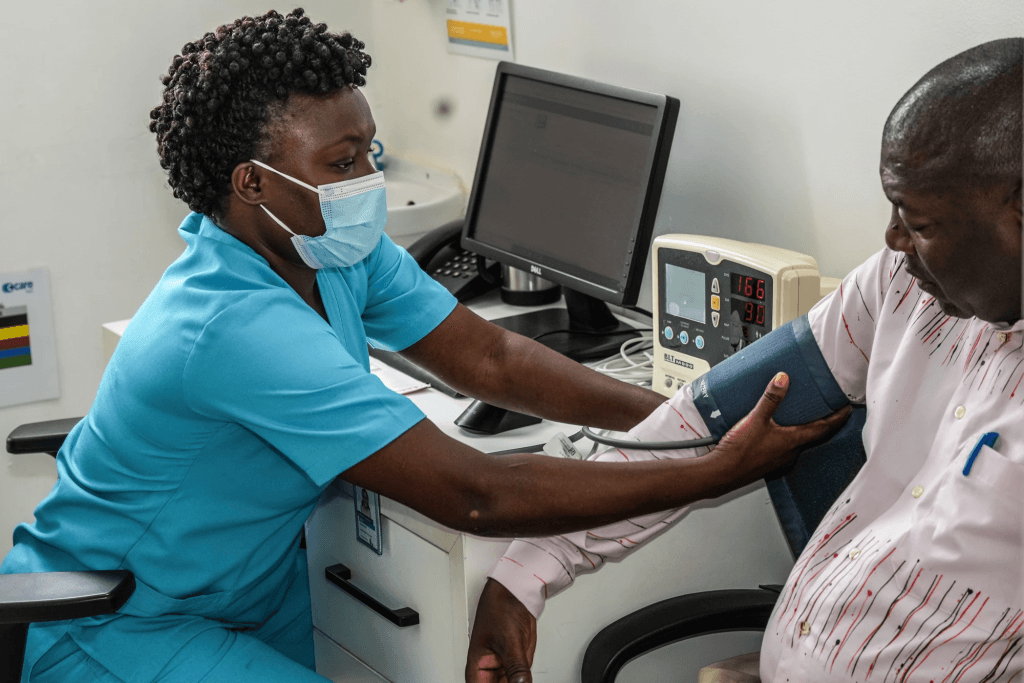
South Africa’s Constitution gives everyone the right to access healthcare services. Section 27 of the Constitution protects this right.
This means a public clinic cannot refuse basic healthcare without a valid reason. Government facilities must provide healthcare within available resources.
In many cases, services at a Government Clinic in South Africa are free or heavily subsidised. This especially applies to:
- Pregnant women
- Children under six
- Pensioners
- Low-income households
- People with chronic illnesses
- Emergency patients
Even if you do not have medical aid, you still have healthcare rights.
RELATED: Where to Get Free Eye Tests and Glasses in South Africa
Can a Clinic Refuse Treatment in South Africa?
In most situations, a clinic cannot simply turn you away without help or guidance.
A Clinic Cannot Refuse Emergency Treatment
The Constitution states that nobody may be refused emergency medical treatment.
If your condition is urgent, the clinic must assist or arrange proper referral care.
Examples include:
- Severe injuries
- Breathing difficulties
- Labour complications
- Chest pain
- Serious infections
- Uncontrolled bleeding
Lack of Money Does Not Remove Your Rights
Public healthcare facilities cannot deny emergency care because you cannot pay.
Most government clinics use income-based fee systems. Many patients qualify for free treatment.
What About IDs or Documents?
Many people worry about missing documents. However, clinics should still assess and assist patients who need care.
You may be asked for:
- South African ID
- Passport
- Clinic card
- Proof of address
Still, urgent medical care should not be denied because documents are missing.
If you do not have identification, staff should explain the next steps instead of refusing assistance immediately.
Right to Respect, Dignity, and Privacy
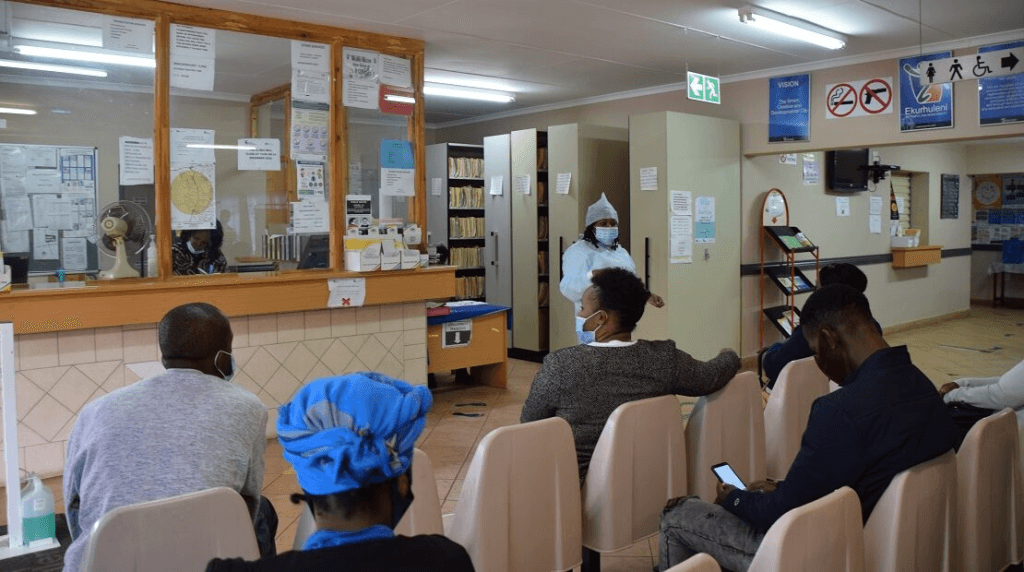
Every patient deserves respectful treatment at a Government Clinic in South Africa.
The Patients’ Rights Charter states that healthcare workers must treat patients with dignity and patience.
You Have the Right to:
- Be treated politely
- Speak privately during consultations
- Ask questions
- Receive information clearly
- Be examined respectfully
- Keep medical information confidential
Healthcare workers should never insult, shame, or humiliate patients.
This protection applies to all patients, including:
- Teenagers
- Elderly patients
- HIV-positive patients
- Pregnant women
- Foreign nationals
- Disabled persons
Right to Information About Your Health
Patients have the right to understand their medical condition and treatment.
Doctors and nurses must explain:
- Your diagnosis
- Recommended treatment
- Possible side effects
- Medication instructions
- Referral procedures
- Follow-up care
Importantly, staff should explain information in a language you understand where possible.
If you do not understand something, ask for clarification immediately.
Right to Medication at a Government Clinic in South Africa

Patients are legally entitled to prescribed essential medication that is available through the public healthcare system.
Clinics usually provide medicine listed on South Africa’s Essential Medicines List.
This often includes treatment for:
- High blood pressure
- Diabetes
- HIV
- Tuberculosis
- Asthma
- Pain management
- Infections
What Happens if Medication Is Out of Stock?
Medicine shortages sometimes happen in public clinics. However, staff should still assist patients properly.
If medication is unavailable, the clinic should:
- Explain the shortage
- Provide an estimated waiting period
- Arrange an alternative where possible
- Refer you to another facility if necessary
Patients should not simply be told to “come back another day” without guidance.
What You Should Do During a Medication Shortage
Take these steps:
- Ask for the medicine name in writing
- Ask when stock is expected
- Request an alternative treatment
- Ask for referral assistance
- Record the staff member’s name
- Keep clinic slips and prescriptions
This information helps if you need to escalate the issue later.
Right to a Second Opinion
Patients may request another healthcare professional’s opinion.
This right becomes important when:
- Symptoms continue worsening
- You feel misunderstood
- Treatment is not helping
- You need clarity before surgery or procedures
- You are unsure about a diagnosis
You can politely request another doctor or nurse if available.
However, access depends on staffing and facility resources.
How to Request a Second Opinion
Use calm and respectful language.
You can say:
“I would like another opinion about my condition if possible.”
Most facilities understand this request and will guide you accordingly.
Right to Consent Before Treatment
Healthcare workers cannot force treatment without proper consent in most situations.
Before treatment, patients should understand:
- What procedure will happen
- Why it is necessary
- Risks involved
- Alternative options
You also have the right to refuse treatment in many situations.
However, refusal may have medical consequences. Staff should explain those risks clearly.
Rights of Pregnant Women and Children

Public healthcare facilities have additional duties toward pregnant women and children.
Pregnant Women Are Entitled To:
- Antenatal care
- HIV testing and support
- Labour and delivery care
- Emergency maternal treatment
- Postnatal services
Children Are Entitled To:
- Immunisations
- Basic healthcare services
- Growth monitoring
- Emergency care
Children under six generally qualify for free public healthcare services.
Rights of Chronic Patients
Patients with chronic illnesses have the right to ongoing care and treatment management.
This includes patients living with:
- HIV
- Tuberculosis
- Diabetes
- Hypertension
- Epilepsy
- Asthma
Clinics should provide:
- Regular appointments
- Prescription refills
- Monitoring tests
- Referral support when necessary
Many facilities also use chronic medicine collection systems to reduce waiting times.
What to Do if a Clinic Refuses Treatment
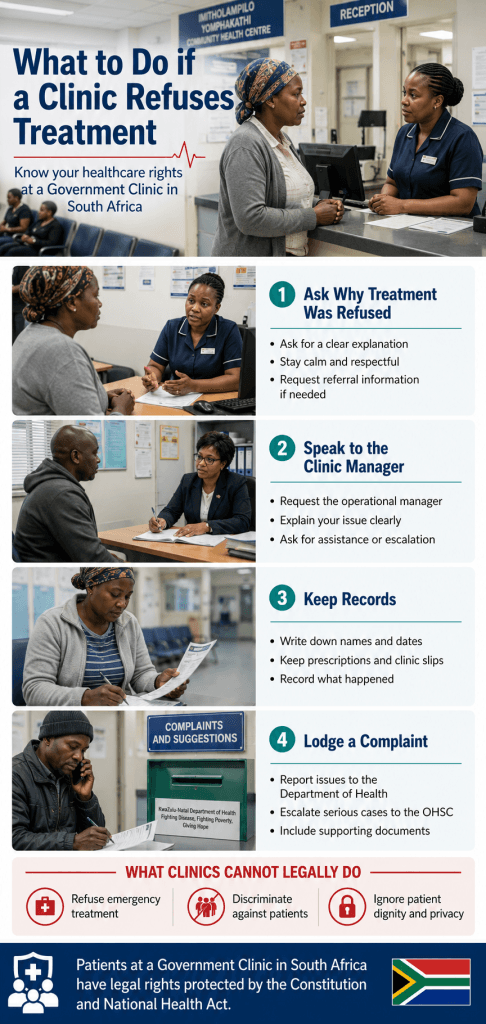
If a Government Clinic in South Africa refuses treatment unfairly, act immediately but calmly.
Step 1: Ask for the Reason
Request a clear explanation from staff.
Sometimes refusals happen because:
- The clinic is full
- You need referral paperwork
- You visited the wrong facility level
- Emergency cases are prioritised
Understanding the reason matters first.
Step 2: Speak to the Operational Manager
Every clinic has a manager or supervisor.
Ask politely to speak to them if staff refuse assistance unfairly.
Step 3: Keep Records
Write down:
- Date and time
- Staff names
- What happened
- Witness details
- Photos of documents if possible
Good records strengthen complaints.
How to Lodge a Complaint Against a Government Clinic
Patients have the right to complain about poor treatment or service problems.
You can complain about:
- Long delays
- Staff misconduct
- Medication shortages
- Unfair refusal of treatment
- Poor hygiene
- Privacy violations
- Abuse or discrimination
OHSC Complaints Process in South Africa
The Office of Health Standards Compliance (OHSC) handles healthcare complaints nationally.
Information You Should Prepare
Before lodging a complaint, collect:
- Your full name
- Clinic name
- Date of incident
- Staff names if known
- Description of the problem
- Copies of documents or prescriptions
Steps to Lodge a Complaint
1. Report the Problem at Clinic Level
Start with the clinic manager.
Many issues get resolved internally.
2. Escalate to the District or Provincial Health Office
If the matter remains unresolved, contact the provincial Department of Health.
3. Contact the OHSC
You can escalate serious complaints to the OHSC.
The OHSC investigates complaints involving:
- Patient rights violations
- Poor healthcare standards
- Unsafe conditions
- Abuse or neglect
Common Myths About Public Healthcare Rights
“You Need Medical Aid for Quality Care”
False. Public healthcare patients still have legal rights and protections.
“Clinics Can Refuse You Without an ID”
Not entirely true. Emergency care should still be provided.
“You Cannot Question Nurses or Doctors”
False. Patients may ask questions and request explanations respectfully.
“Complaining Will Get You Blacklisted”
Patients have the legal right to complain without intimidation.
Tips for Visiting a Government Clinic in South Africa
To make clinic visits smoother:
- Arrive early
- Carry all documents
- Bring previous prescriptions
- Keep a notebook
- Ask questions clearly
- Stay calm during disputes
- Record appointment dates carefully
Preparation often reduces delays and confusion.
FAQs About Government Clinic Rights in South Africa
Can a government clinic refuse treatment in South Africa?
A clinic cannot refuse emergency medical treatment. Non-emergency services may depend on facility rules and referrals.
Is healthcare free at government clinics?
Many public healthcare services are free or subsidised for qualifying patients.
Can I go to a clinic without an ID?
Yes, especially during emergencies. Staff may still request documents later.
Where can I complain about a clinic?
You can complain through the clinic manager, provincial health department, or the OHSC.
Every patient using a Government Clinic in South Africa has legal rights. These rights protect access to treatment, dignity, privacy, medication, and fair healthcare services.
Understanding your rights helps you navigate public healthcare with more confidence. It also helps you take action when clinics fail to meet proper standards.
While public healthcare facilities face pressure and shortages, patients still deserve lawful and respectful treatment. Knowing the system can make a major difference when problems arise.