

Food prices continue to rise across South Africa in 2026. However, Food Parcel Programmes are still available for households in urgent need.
These programmes are not permanent grants. They provide short-term relief during financial hardship or crisis. Many people searching “free food parcels near me South Africa” can still access help. However, access depends on need, verification, and availability.
This guide explains who qualifies, how to apply, and where to find legitimate support.
Are Food Parcel Programmes Still Available in 2026?
Yes. Food parcel programmes still exist in 2026. However, they are mostly temporary relief measures.
Government and organisations provide food parcels through:
- The Department of Social Development
- Registered NGOs and food banks
- Community-based organisations and churches
Food support usually falls under Social Relief of Distress (SRD). According to South African Government, this support helps people facing extreme hardship.
However, it is important to clarify one common misconception.
SASSA does not directly hand out food parcels.
Instead, support is coordinated through social workers and local structures.
ALSO READ: Get Free Basic Electricity Every Month – See if You Qualify
Who Qualifies for Food Parcels in South Africa?
Understanding who qualifies for food parcels SA is critical. Not everyone automatically qualifies.
Food parcel support targets people in serious need.
You may qualify if you:
- Have no income or are unemployed
- Are waiting for a grant application
- Lost your main source of income
- Experienced a disaster (fire, flood, eviction)
- Are medically unfit to work for a short period
- Cannot access maintenance support
Priority groups include:
- Child-headed households
- Elderly people with no support
- People with disabilities
- Single-parent households
- Families affected by sudden crises
Organisations like Gift of the Givers also prioritise vulnerable households. These include widows, elderly people, and disadvantaged families.
Eligibility is always assessed by a social worker. Approval depends on urgency and available resources.
What Do Food Parcels Include?
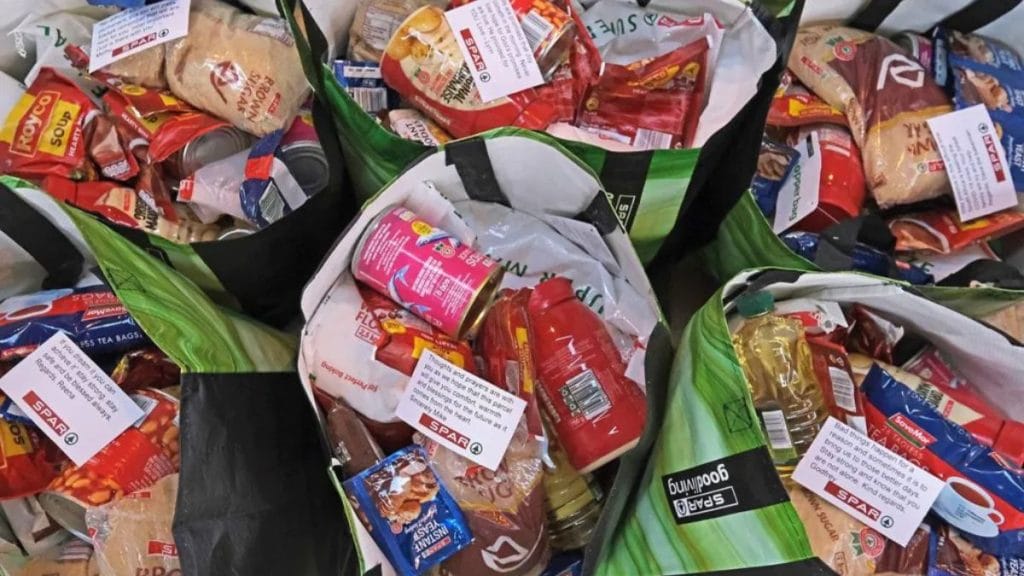
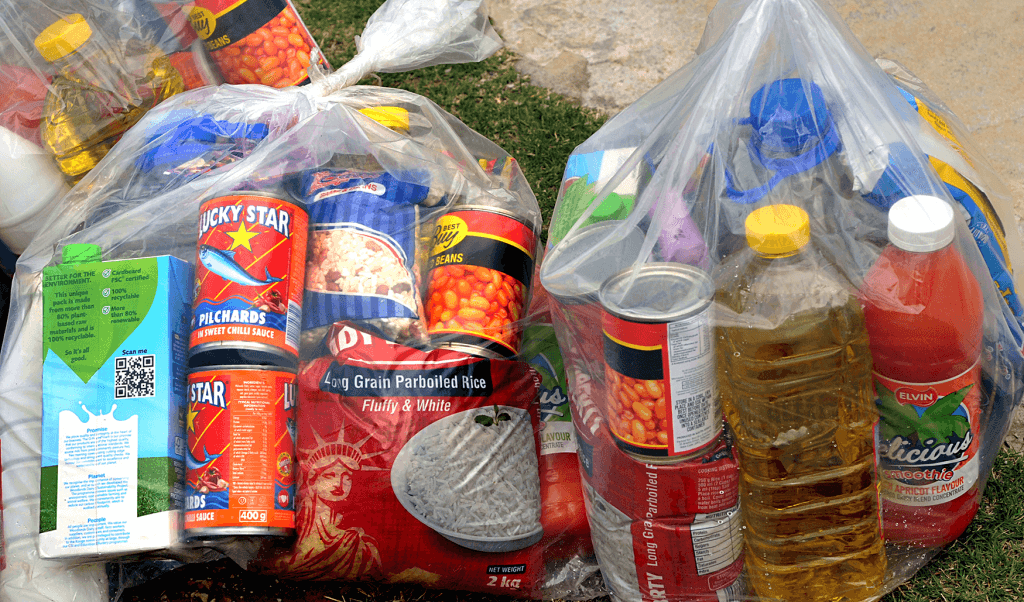
Food parcels are designed to support a household temporarily. They usually contain basic essentials.
Typical items include:
- Maize meal
- Rice
- Cooking oil
- Sugar
- Beans or lentils
- Canned food (fish, beans)
- Pasta
- Tea or coffee
The exact contents may vary by programme or organisation.
Food parcels are not meant for long-term support. They help households stabilise during difficult periods.
How to Apply for Food Parcels South Africa (Step-by-Step)
If you are searching how to apply for food parcels South Africa, follow these steps.
Step 1: Visit Your Nearest Department of Social Development Office
Go to your local office under the Department of Social Development.
Do not rely on social media links. Applications happen through official channels.
Step 2: Speak to a Social Worker
A social worker will assess your situation. They will determine if you qualify for assistance.
Be honest and clear about your financial situation.
Step 3: Submit Required Documents
You may need:
- South African ID
- Proof of residence
- Proof of income or unemployment
- Bank statements (if requested)
- Proof of crisis (if applicable)
If documents are missing, you may need to submit an affidavit.
Step 4: Wait for Assessment and Approval
The social worker will review your case. If approved, you may receive:
- A food parcel
- A food voucher
- Temporary assistance
Processing times vary depending on demand and resources.
ALSO READ: Prepaid Electricity and Airtime Vouchers Are Changing in South Africa – Here’s What You Need to Know
Other Ways to Get Food Support in 2026
Government support is not the only option. Many NGOs and community organisations provide food relief.
NGOs That Give Food Parcels South Africa
Organisations like FoodForward SA work with community partners. They distribute food through registered beneficiary organisations.
However, individuals usually cannot apply directly. Instead, they must go through:
- Local NPOs
- Community kitchens
- Shelters
- Churches
Community and Local Support Options
If you are searching “free food parcels near me South Africa,” try:
- Local churches and mosques
- Community centres
- School feeding schemes
- Ward councillors
- Local NGOs
These groups often run food drives or feeding programmes.
Some offer walk-in support. Others require referrals.
Important Warning: Avoid Food Parcel Scams
Scams are increasing in 2026. Many fake posts claim to offer “free government food parcels.”
Be cautious of:
- WhatsApp links asking for personal details
- Facebook posts promising instant approval
- Requests for payment to “secure” a parcel
No official programme charges a fee.
Always use:
- Official government offices
- Verified NGOs
- Registered community organisations
Never share your ID number or banking details with unknown sources.
FAQs About Food Parcel Programmes in 2026
Are food parcels a permanent benefit?
No. Food parcel programmes provide temporary relief. They are not long-term grants.
Can I apply online for food parcels?
No official online application exists for food parcels. Visit your nearest Social Development office.
How long does it take to get a food parcel?
It depends on your situation and local demand. Some cases are processed quickly. Others take longer.
Can NGOs give food parcels directly to individuals?
Usually not. Most NGOs distribute through community organisations and registered partners.
Food Parcel Programmes in South Africa are still active in 2026. However, access depends on verified need.
Start with your nearest Social Development office. Then explore NGOs and community support networks. Avoid scams and use only trusted sources. Acting quickly and following the correct process increases your chances of getting help.