



Groceries Cost More in 2026 because South African households still face higher food, fuel, and electricity costs. Although inflation has slowed compared to previous years, food prices remain under pressure.
Food and non-alcoholic beverage inflation remained elevated during early 2026. Essential products such as cooking oil, bread, chicken, and vegetables continue to strain household budgets.
At the same time, fuel price increases raise transport costs. Retailers then pass these costs to consumers. Electricity tariff hikes also increase operating expenses for farms, factories, and supermarkets.
As a result, many families now spend a larger share of their income on groceries than they did a year ago.
However, not all supermarkets charge the same prices. Some stores remain noticeably cheaper for staple foods.
This guide compares major South African grocery retailers and highlights where shoppers can currently save money.
Why Food Prices Are Higher in South Africa in 2026
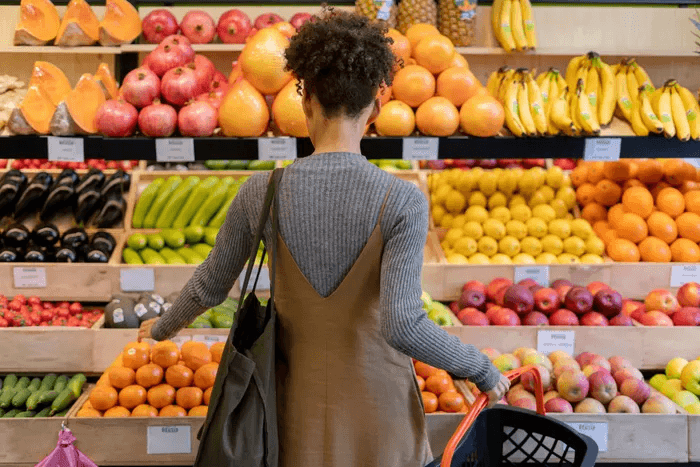
Several factors continue to push grocery prices upward in 2026.
Fuel Prices Raise Delivery Costs
Most food travels long distances before reaching supermarket shelves. Therefore, fuel price increases affect almost every grocery item.
When diesel prices rise:
- Farmers pay more for transport
- Factories face higher distribution costs
- Retailers spend more on deliveries
These added expenses eventually increase shelf prices.
Electricity Costs Continue Increasing
Electricity tariffs remain another major issue.
Food producers, cold storage facilities, bakeries, and supermarkets all depend heavily on electricity. As energy costs rise, businesses increase prices to protect profits.
Frozen foods and refrigerated products often rise fastest because of storage costs.
ALSO READ: Get Free Basic Electricity Every Month – See if You Qualify
Global Food Supply Pressures Remain
South Africa also imports some food products and ingredients. Therefore, global price changes still affect local consumers.
Weather disruptions, shipping costs, and international grain prices continue to influence:
- Cooking oil
- Wheat products
- Rice
- Animal feed
Consequently, meat and bread prices remain volatile.
Household Demand Has Changed
Consumers now buy differently than before.
Many shoppers focus on:
- Cheaper protein options
- House-brand products
- Bulk purchases
- Discount retailers
This shift has increased pressure on low-cost grocery chains.
Cheapest Grocery Stores in South Africa Right Now
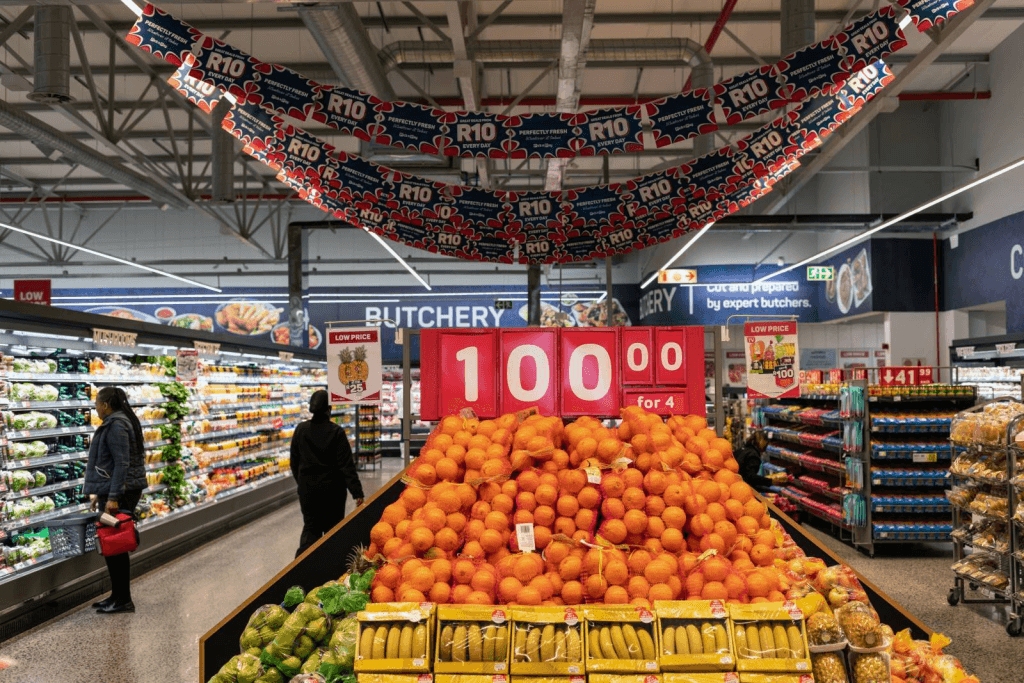
Which Supermarket Is Cheapest in 2026?
There is no single cheapest store for every product. However, some retailers consistently offer lower prices on staple foods.
Based on recent grocery basket comparisons across major chains, Boxer and Shoprite remain among the strongest options for budget-conscious households.
Meanwhile:
- Pick n Pay often costs more on pantry staples
- SPAR prices vary significantly by location
- House-brand products usually offer the best value
Prices also differ between provinces and store formats.
Staple Food Price Comparison South Africa 2026
The table below shows estimated average prices for common household staples in May 2026.
Prices may vary by region and promotions.
| Product | Shoprite | Boxer | Pick n Pay | SPAR |
|---|---|---|---|---|
| White Bread | R18.99 | R17.99 | R20.99 | R21.49 |
| 2kg Rice | R44.99 | R42.99 | R49.99 | R51.99 |
| 2L Cooking Oil | R69.99 | R67.99 | R74.99 | R76.99 |
| 5kg Maize Meal | R79.99 | R77.99 | R85.99 | R87.99 |
| 2.5kg Sugar | R54.99 | R53.99 | R58.99 | R59.99 |
| 2L Milk | R36.99 | R35.99 | R39.99 | R40.99 |
| 18 Eggs | R52.99 | R50.99 | R56.99 | R58.99 |
| Tinned Fish | R21.99 | R20.99 | R24.99 | R25.99 |
| Chicken Portions | R109.99 | R104.99 | R119.99 | R122.99 |
| Potatoes 7kg | R74.99 | R72.99 | R79.99 | R82.99 |
ALSO READ: Postbank Changes from May 2026: New Ways to Deposit and Withdraw Your Money
Which Store Is Cheapest Per Category?
Boxer Grocery Prices Stay Competitive
Boxer continues to perform strongly on:
- Maize meal
- Rice
- Sugar
- Cooking oil
- Chicken portions
The retailer focuses heavily on price-sensitive shoppers. Therefore, many staple foods remain cheaper there.
Boxer also performs well in townships and smaller communities where affordability matters most.
Shoprite Offers Strong Overall Value
Shoprite remains competitive across most categories.
The chain often balances:
- Lower prices
- Wider product variety
- Frequent specials
Many shoppers use Shoprite for full monthly grocery trips because of its broad product range.
Pick n Pay Prices Remain Higher
Pick n Pay still attracts middle-income shoppers. However, staple foods often cost more there.
Prices tend to increase further in smaller convenience branches.
Nevertheless, loyalty programmes and promotions can sometimes reduce costs.
SPAR Prices Depend on Location
SPAR stores operate independently. Therefore, prices vary widely.
In some areas, SPAR offers competitive specials. However, everyday staple prices are usually higher than Boxer and Shoprite.
Convenience often explains the difference.
Best Ways to Save Money on Groceries in 2026
Buy House Brands Instead of Premium Brands
House-brand products now offer substantial savings.
Retailer brands from:
- Shoprite
- Boxer
- Pick n Pay
- SPAR
often cost significantly less than national brands.
In many cases, the quality difference is minimal.
Bulk Buying Can Lower Monthly Costs
Bulk buying works best for:
- Rice
- Maize meal
- Sugar
- Cooking oil
- Frozen chicken
Larger packs usually reduce the cost per kilogram.
However, shoppers should avoid bulk purchases that may spoil quickly.
Compare Prices Before Shopping
More shoppers now compare grocery prices before visiting stores.
WhatsApp groups and Facebook community pages often share:
- Weekly specials
- Price comparisons
- Discount alerts
This helps families plan smarter shopping trips.
Shop at Different Stores for Different Products
Many households no longer rely on one supermarket.
For example:
- Boxer may offer cheaper staples
- Shoprite may offer better meat specials
- SPAR may provide convenience items nearby
Splitting purchases between stores can reduce monthly spending.
Food Prices South Africa: What Shoppers Should Expect Next
Food inflation may ease slightly later in 2026. However, grocery prices will likely remain high for several months.
Fuel costs, electricity prices, and weather conditions still create uncertainty.
Consumers should also expect continued price pressure on:
- Meat products
- Dairy
- Cooking oil
- Wheat-based foods
At the same time, retailers will continue competing aggressively for budget-conscious shoppers.
This competition could help slow further price increases on basic staples.
RELATED: Paraffin Heater and Open Fire Safety: The Warnings SA Families Need to Hear This Winter
FAQs
Why do groceries cost more in 2026?
Groceries cost more in 2026 because of higher fuel prices, electricity tariffs, transport costs, and ongoing food inflation.
Which is the cheapest grocery store in South Africa in 2026?
Boxer and Shoprite currently offer some of the cheapest staple food prices in South Africa.
Are grocery prices the same across South Africa?
No. Prices vary by province, store location, and promotions.
Which foods increased the most in price?
Cooking oil, chicken, dairy products, and bread-related items saw notable increases during 2026.
How can families reduce grocery spending?
Families can save money by:
Buying house brands
Comparing store prices
Shopping during specials
Buying staples in bulk
Splitting shopping across multiple stores