




Imagine receiving a WhatsApp message from your landlord saying you must leave by Friday or your belongings will be thrown outside. For many South Africans, this situation creates immediate panic and confusion, especially for people searching for their rights when facing eviction.
But here is the most important thing to know:
In most cases, nobody can legally evict you from your home in South Africa without a court order.
Whether you rent a flat, backyard room, house, or stay in an informal settlement, the law protects you from unlawful evictions. Landlords cannot simply force people out because rent is late or because they want the property back.
Understanding your rights when facing eviction can help you avoid panic, identify illegal actions by landlords, and take the correct legal steps early.
What Is the PIE Act?
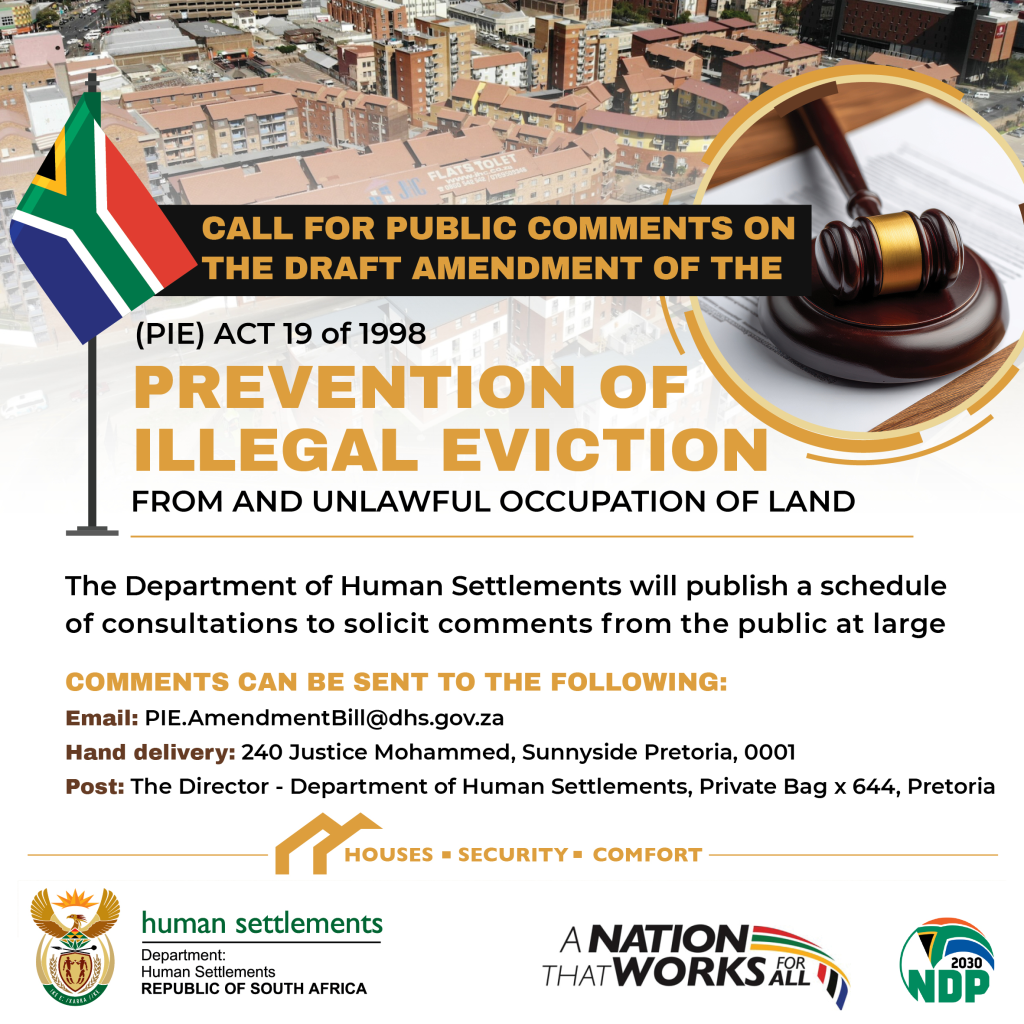
The PIE Act stands for the Prevention of Illegal Eviction from and Unlawful Occupation of Land Act.
This law was created to stop unfair and abusive evictions in South Africa. Before the law existed, many people were removed from homes without proper legal protection.
The PIE Act protects:
- Tenants renting homes or rooms
- Backyard dwellers
- Families living in informal settlements
- People staying on property without formal permission
- Occupiers whose lease agreements have ended
The law says courts must consider fairness, dignity, and the personal circumstances of people before granting an eviction order.
For example, courts may consider:
- Whether children live in the home
- Whether elderly or disabled people are affected
- Whether the occupiers have somewhere else to stay
- Whether proper notice was given
The goal of the PIE Act is not to stop all evictions. Instead, it ensures that evictions happen lawfully and fairly.
ALSO READ: Housing Adjudication Process in Gauteng: How to Resolve Pre-1994 Property Disputes
Understanding Your Rights When Facing Eviction: Can a Landlord Remove You Without a Court Order?
No.
In South Africa, landlords generally cannot legally remove tenants or occupiers without a court order.
This means a landlord cannot:
- Change the locks
- Throw out your furniture or clothing
- Disconnect water or electricity to force you out
- Threaten or intimidate you into leaving
- Remove your belongings while you are away
- Physically force you out of the property
These actions are commonly known as illegal evictions.
Even if:
- You owe rent
- Your lease has expired
- You received a warning letter
- You had an argument with the landlord
The landlord must still follow the legal eviction process through the courts.
Receiving a WhatsApp message, letter, or verbal warning from a landlord does not mean you have been legally evicted.
Only a court can grant an eviction order.
If the court grants the eviction, the sheriff of the court usually carries out the final eviction process if the occupiers do not leave voluntarily.
What a Legal Eviction Process Looks Like in South Africa

Evictions follow a formal legal process. Understanding the steps can help reduce confusion and panic.
Step 1: The Landlord Gives Notice or Warning
The landlord may first send:
- A warning letter
- A notice about unpaid rent
- A notice cancelling the lease agreement
This does not mean you are immediately evicted.
It is often the first step before court action begins.
Step 2: The Matter Goes to Court
If the issue is not resolved, the landlord must apply to court for an eviction order.
The landlord cannot legally evict someone without involving the court.
Step 3: You Receive Official Court Papers
You must receive official court documents informing you:
- That an eviction case has been opened
- Which court will hear the matter
- The date of the hearing
These papers are usually delivered by the sheriff or another authorised official.
Do not ignore court papers. Ignoring them may lead to the court making a decision without hearing your side.
Step 4: The Court Hearing Takes Place
Both the landlord and the occupier can explain their situation in court.
The judge will consider:
- Whether the correct legal process was followed
- The reasons for eviction
- The personal circumstances of the people living there
- Whether the eviction is fair and reasonable
The court does not automatically side with the landlord.
Step 5: The Court Decides
If the court grants the eviction order, it will usually provide:
- A date by which the occupiers must leave
- Conditions attached to the eviction
The court may also delay the eviction in some situations.
Step 6: The Sheriff Carries Out the Eviction
If the occupiers do not leave by the date ordered by the court, the sheriff may carry out the eviction.
A landlord cannot personally remove people from the property.
What To Do If You Receive an Eviction Notice
Receiving an eviction notice can feel frightening, but there are important steps you should take immediately.
Stay Calm
Do not panic or leave immediately without understanding your rights.
Many people wrongly assume that a landlord’s letter means they must leave immediately.
Read the Notice Carefully
Check:
- Who sent it
- Whether it comes from a court
- Whether a court date is listed
A landlord’s warning letter is not the same as a court eviction order.
Do Not Ignore Court Documents
If you receive official court papers, take them seriously.
Missing court dates can harm your case and make the process more difficult.
Gather Important Documents
Keep copies of:
- Lease agreements
- Payment receipts
- Bank statements
- WhatsApp messages and emails
- Notices from the landlord
These may help support your case.
Communicate With the Landlord
If possible, try to communicate respectfully with the landlord.
In some situations, payment arrangements or agreements can prevent the matter from escalating.
Seek Legal Help Immediately
The earlier you get legal advice, the better.
Many organisations in South Africa offer free or affordable assistance for people facing eviction.
ALSO READ: RDP House Status Check: 5 Ways to Track Your Application
Free Legal Help in South Africa
Legal Aid South Africa
Legal Aid South Africa may assist qualifying individuals who cannot afford a lawyer.
Helpline:
0800 110 110
They can help with:
- Legal advice
- Court representation
- Understanding eviction notices
- Housing rights information
SERI (Socio-Economic Rights Institute)
SERI works on housing and eviction-related matters in South Africa, especially for vulnerable communities.
They assist with:
- Housing rights education
- Eviction cases
- Legal support for communities facing unlawful removals
If you are unsure whether your eviction is legal, contact these organisations as early as possible.
Common Myths About Evictions in South Africa
“A WhatsApp message means I’m evicted”
False.
A message from a landlord is not a legal eviction order.
“The landlord can remove my belongings while I’m at work”
False.
Removing belongings without following the legal process may amount to an illegal eviction.
“Missing one month of rent means I can be kicked out immediately”
False.
Even if rent is unpaid, the landlord must still go through the courts.
“Police can evict me without a court order”
Usually false.
A court order is generally required before an eviction can legally happen.
“If there is no written lease, I have no rights”
False.
Even verbal rental agreements can still give occupiers legal protections.
Frequently Asked Questions
Can a landlord evict you immediately in South Africa?
No. A landlord cannot legally evict a tenant immediately without following the legal eviction process. An eviction can only happen after a court grants an eviction order.
Can a landlord change the locks without notice?
No. Changing locks to force a tenant out is considered an illegal eviction in South Africa. Landlords are not allowed to deny tenants access to the property without a court order.
Can police remove tenants during an eviction?
Police usually do not carry out evictions themselves. Once a court grants an eviction order, the sheriff of the court is responsible for enforcing it. Police may assist the sheriff if necessary.
How long does the eviction process take in South Africa?
The eviction process can take several weeks or even months depending on the court process, the complexity of the matter, and whether the tenant opposes the eviction.
Eviction is a legal process, not simply a landlord’s decision.
In South Africa, people cannot usually be removed from their homes without a court order. The PIE Act exists to protect fairness, dignity, and basic housing rights.
Understanding your rights can make a major difference during a stressful situation.
If you know someone facing eviction, consider sharing this article with them. Many South Africans are unaware of their housing rights and may not realise that unlawful evictions are against the law.
Disclaimer: This article is for informational purposes only and should not be considered formal legal advice.