




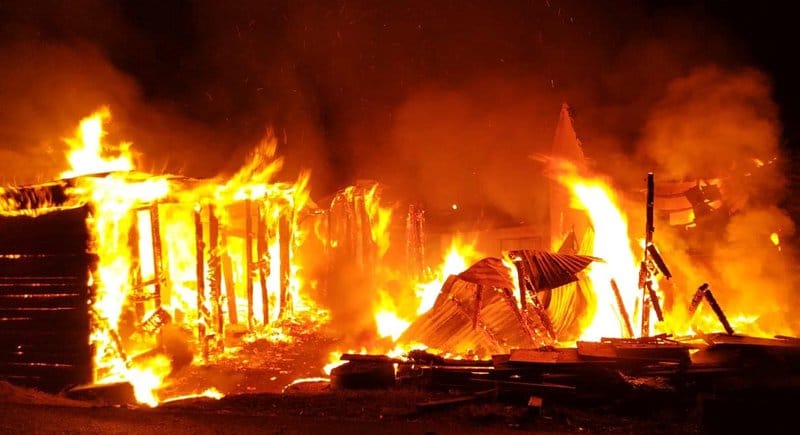
Every winter, fires destroy homes and families across South Africa. Many fires start from something small, like a knocked-over paraffin heater, candle, or brazier.
These fires spread quickly. In crowded homes, backyard rooms, and informal settlements, flames can move from one structure to another within minutes. Sadly, many victims are children, elderly residents, or sleeping families caught off guard late at night.
That is why Paraffin Heater and Open Fire Safety must become a daily priority this winter.
Small safety habits can prevent devastating injuries, loss of property, and even death. This guide explains the biggest fire risks and provides practical ways to protect your family.
Why Winter Fires Increase in South Africa
Cold temperatures force many households to use paraffin heaters, braziers, candles, and open flames for warmth and cooking.
At the same time, load shedding often leaves families relying on candles and alternative heating sources. Unfortunately, these methods carry serious risks when used incorrectly.
According to South African emergency services, winter brings a sharp rise in:
- Shack fires
- Paraffin burns
- Smoke inhalation cases
- Child burn injuries
- Fatal overnight fires
Homes built close together increase the danger. One small fire can quickly spread through an entire community.
ALSO READ: Winter Survival Guide: Free and Cheap Resources for Low-Income Families
The 5 Most Common Causes of Paraffin Heater Fires
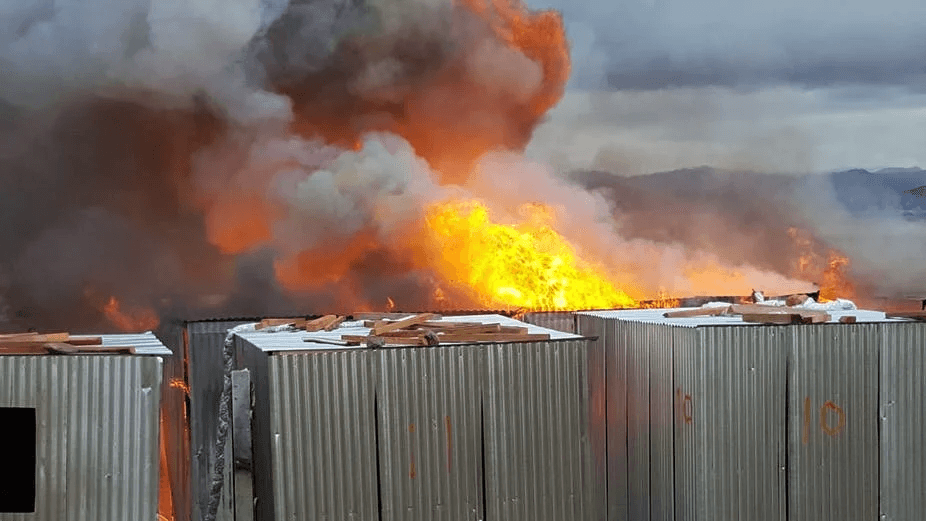
1. Heaters Placed Too Close to Blankets or Curtains
Many fires start because heaters stand near flammable items.
Blankets, mattresses, curtains, clothing, and couches can catch fire within seconds. Once flames start, smoke spreads rapidly through small rooms.
Always keep heaters far away from anything that burns easily.
2. Refilling a Heater While It Is Still Hot
This mistake is extremely dangerous.
Hot heaters can ignite paraffin fumes immediately. Even a small spill may cause a sudden fire or explosion.
Always switch heaters off first. Then allow them to cool completely before refilling.
3. Faulty or Leaking Paraffin Containers
Old containers often leak without warning.
Leaking paraffin creates dangerous fumes and increases fire risks. Some families also store paraffin in cool-drink bottles, which is unsafe.
Children may accidentally drink paraffin if it is stored incorrectly.
Always use sealed, approved containers for paraffin storage.
4. Children or Pets Knocking Heaters Over
Children often play near heaters because they provide warmth.
However, one accidental bump can tip a heater over. Flames may spread across floors, blankets, or carpets instantly.
Never leave young children alone near open flames or heaters.
5. Candles During Load Shedding
Candles remain a major cause of house fires across South Africa.
Many fires begin when candles stand near curtains, bedding, or wooden furniture. Others happen after families fall asleep without blowing out candles.
Always place candles on stable surfaces away from anything flammable.
Paraffin Heater and Open Fire Safety Rules Every Family Should Follow
Keep Heaters on Flat, Stable Surfaces
Uneven floors increase the chance of heaters tipping over.
Always place heaters on solid ground. Avoid balancing them on boxes, crates, or unstable furniture.
Keep a Safe Distance From Bedding and Clothing
Maintain at least one metre between heaters and flammable materials.
This includes:
- Blankets
- School uniforms
- Curtains
- Towels
- Mattresses
- Furniture
Never dry clothing directly over a heater.
Never Leave Heaters Burning Overnight
Many deadly winter fires happen while families sleep.
Switch off heaters, candles, and braziers before going to bed. Never leave open flames unattended at night.
Keep Matches and Paraffin Away From Children
Store matches, lighters, and paraffin containers in locked cupboards if possible.
Teach children that heaters and candles are dangerous.
Improve Ventilation Indoors
Smoke and dangerous gases build up quickly inside small rooms.
Always allow airflow when using heaters or braziers indoors. Open a small window if possible.
Good ventilation reduces smoke inhalation risks.
What To Do If a Heater Tips Over or Catches Fire
The first few seconds matter most during a fire emergency.
Stay calm and act quickly.
Do NOT Throw Water on a Paraffin Fire
Water spreads burning paraffin further.
Instead, try to smother flames safely using:
- A heavy blanket
- Sand
- A fire extinguisher
Only attempt this if the fire is still small.
Get Children Out Immediately
Children panic quickly during fires.
Carry small children outside immediately and move everyone away from the flames.
Crawl Low Under Smoke
Smoke rises fast during fires.
Cleaner air stays lower to the ground. Crawl low when escaping smoky rooms.
Call Emergency Services Immediately
Even small fires can spread quickly.
Call emergency services as soon as possible.
Important emergency numbers include:
- Emergency Services: 112
- Ambulance and Fire: 10177
- South African Police Service: 10111
RELATED: Get Free Basic Electricity Every Month – See if You Qualify
Never Do These Things With a Paraffin Heater
Never Refill Indoors Near Flames
Paraffin fumes ignite easily.
Always refill heaters outside and far from candles, stoves, or cigarettes.
Never Use Petrol Instead of Paraffin
Petrol burns far faster than paraffin.
Using petrol inside a paraffin heater can cause explosions and severe burns.
Never Dry Clothes on Heaters
This remains one of the most common winter fire mistakes.
Clothing catches fire quickly when placed directly over heaters.
Never Leave Children Alone Near Heaters
Young children may accidentally touch, move, or knock heaters over.
Adult supervision is essential at all times.
Never Sleep With Open Flames Burning
Do not sleep with:
- Candles burning
- Braziers indoors
- Open fires unattended
- Heaters left on overnight
These situations increase deadly fire risks significantly.
Shack Fire Safety South Africa: Extra Precautions for Informal Settlements
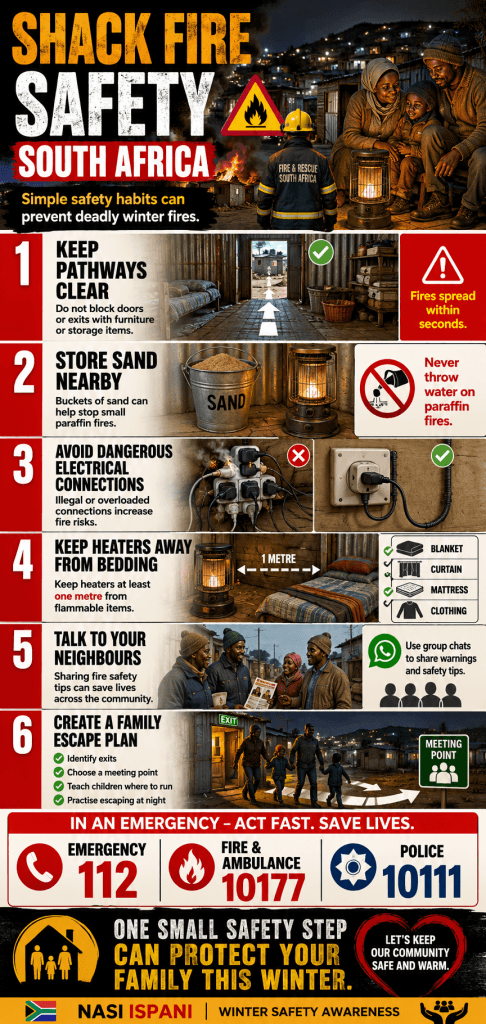
Fires spread extremely fast in informal settlements.
Structures often stand close together, which allows flames to move rapidly between homes.
Families living in shacks or backyard rooms should take extra precautions.
Keep Pathways Clear
Avoid blocking doors with furniture or boxes.
Everyone should exit quickly during emergencies.
Store Water or Sand Nearby
Buckets of sand may help control small fires early.
However, never use water on paraffin fires.
Avoid Illegal Electrical Connections
Unsafe wiring increases winter fire risks dramatically.
Faulty connections often spark fires during heavy appliance use.
Talk to Neighbours About Fire Safety
Community awareness helps prevent disaster.
Families should warn neighbours about dangerous heating practices and share safety information regularly.
How to Create a Fire Escape Plan for a Small Home or Shack
Every family needs a simple escape plan.
Even small homes should have a clear emergency strategy.
Identify Every Exit
Know how to leave the home quickly.
Check doors and windows regularly.
Decide Where Children Should Run
Children need simple instructions during emergencies.
Teach them where to go if a fire starts.
Choose a Family Meeting Point
Pick a safe outdoor location nearby.
This helps everyone account for family members quickly.
Practise Night-Time Escapes
Many fires happen late at night during load shedding.
Practise escaping safely in darkness.
Keep Emergency Numbers Visible
Write emergency numbers near the door or save them on phones.
Fast action saves lives.
Winter Fire Safety Tips SA Families Should Share
Simple information can prevent tragedy.
Share these winter fire safety tips with:
- Family groups
- WhatsApp communities
- Churches
- Schools
- Neighbours
- Community organisations
The more people understand fire risks, the safer communities become.
Free Fire Safety Support and Community Resources
Many communities offer free fire safety education.
Families can ask for help from:
- Local fire departments
- Municipal disaster management teams
- Community centres
- Clinics
- Schools
- NGOs focused on community safety
Some municipalities also run winter fire awareness campaigns in high-risk areas.
Community education plays a major role in reducing winter fire deaths.
Frequently Asked Questions
What causes most paraffin heater fires?
Most fires happen because heaters stand too close to flammable items or tip over accidentally.
Is it safe to sleep with a paraffin heater on?
No. Never sleep with heaters, candles, or open flames burning unattended.
Can water stop a paraffin fire?
No. Water spreads burning paraffin and worsens the fire.
How can families prevent shack fires?
Families should keep heaters stable, avoid open flames near bedding, and create emergency escape plans.
Winter heating saves lives during cold weather, but unsafe heating practices continue to destroy homes across South Africa.
Paraffin heaters, candles, braziers, and open flames require constant care and attention. Small mistakes can turn deadly within seconds.
Families should focus on prevention, preparation, and community awareness this winter.
Please share this with everyone you know who uses a paraffin heater. One message could save a life this winter.